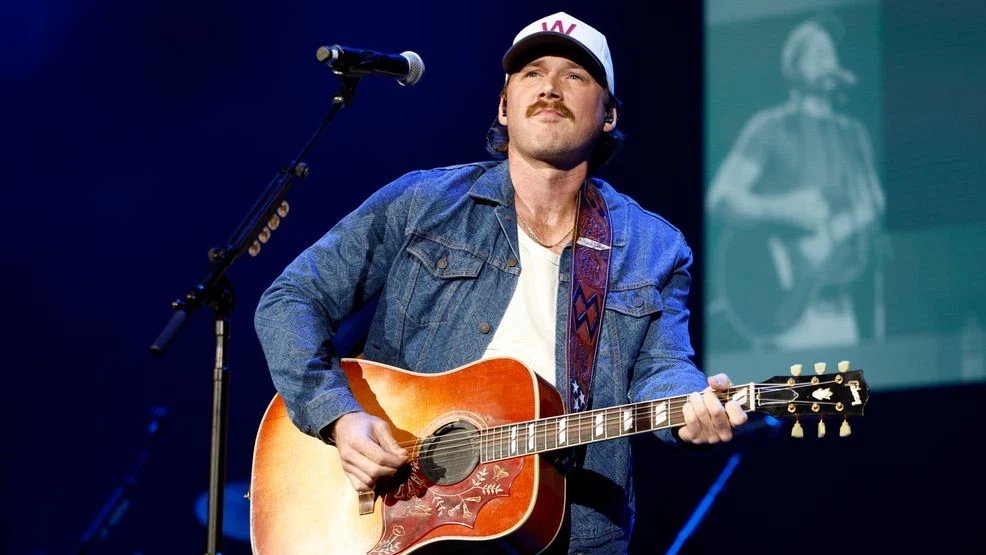
For most artists, controversy is a career threat.
A canceled appearance, a public scandal, or a highly publicized mistake can derail years of momentum. Public opinion shifts quickly. Headlines become permanent. Audiences move on.

Yet somehow, Morgan Wallen continues to defy that pattern.
Every time critics predict his decline, the numbers tell a different story. Albums climb the charts. Songs dominate streaming platforms. Stadiums sell out. New records fall almost as quickly as old ones are broken. The disconnect between public controversy and commercial success has become one of the most fascinating stories in modern music.
Many industry observers have spent years trying to explain it.
On paper, it doesn’t seem to make sense. Traditional wisdom suggests that repeated controversies should damage an artist’s popularity. Instead, Wallen’s audience appears remarkably resilient. In some cases, major headlines have even coincided with spikes in attention.
That raises an uncomfortable question.
Why does controversy seem unable to slow him down?
Part of the answer may lie in how modern audiences consume music. Streaming has fundamentally changed the relationship between artists and listeners. Fans no longer depend on radio stations, television networks, or industry gatekeepers to decide what they hear. They choose directly.
That shift matters.
In previous generations, industry institutions held tremendous power over an artist’s visibility. Today, millions of listeners can bypass those institutions entirely. If fans want to hear a song, they can play it instantly regardless of what critics, commentators, or executives think.
Morgan Wallen emerged during precisely that era.
His music found audiences through playlists, social media clips, streaming algorithms, and word-of-mouth recommendations. As a result, many fans developed a direct relationship with his catalog rather than through traditional industry channels.
For supporters, the songs became the focus.
And the songs have consistently connected.
Much of Wallen’s music revolves around themes that resonate deeply with country audiences: heartbreak, regret, nostalgia, small-town identity, family, freedom, and personal mistakes. The emotions feel familiar. The storytelling feels accessible. Whether someone loves or dislikes the artist personally, the music often speaks to experiences many listeners recognize.
That emotional connection is difficult to break.
Another factor is the appeal of imperfection.
Historically, some of entertainment’s most enduring figures have been complicated individuals rather than flawless role models. Audiences are often drawn to artists who appear messy, unpredictable, or deeply human. The public frequently claims to admire perfection, but popular culture repeatedly demonstrates a fascination with people who stumble, struggle, and occasionally self-destruct.
The “bad boy” image taps directly into that fascination.
For some fans, Wallen’s reputation reinforces the authenticity they believe they hear in his music. Right or wrong, certain listeners view his flaws as evidence that he is not carefully manufactured. They see someone whose mistakes are visible rather than hidden behind layers of polished public relations.
That perception becomes part of the brand.

Importantly, this doesn’t mean audiences celebrate controversy itself.
Many fans separate the music from the headlines. Others acknowledge the controversies while still enjoying the songs. Some believe in second chances. Others simply prioritize the music above everything else.
The reasons vary.
The outcome remains remarkably consistent.
Streaming numbers continue to climb.
Concert demand remains enormous.
The audience keeps showing up.
There is also a broader cultural element at play. Modern entertainment often rewards attention regardless of whether that attention is positive or negative. Every headline generates discussion. Every discussion creates visibility. Every moment of visibility introduces an artist to new audiences.
In the digital age, attention is currency.
And Morgan Wallen generates extraordinary amounts of it.
What makes his story particularly unusual is that the attention does not merely produce curiosity. It converts into measurable engagement. People don’t just read about him. They stream the songs. They buy tickets. They return repeatedly.
That distinction separates temporary controversy from lasting popularity.
Still, reducing Wallen’s success solely to controversy would be a mistake.
Controversy can attract attention, but it cannot sustain years of chart dominance on its own. Listeners may investigate a headline once. They do not usually spend thousands of hours streaming music they don’t enjoy.
At some point, the music has to carry the weight.
And that may be the simplest explanation of all.
The controversies generate conversation.
The songs generate loyalty.
Together, they create a cycle that few artists have ever managed to sustain at this scale.
Whether one views Morgan Wallen as a misunderstood star, a cautionary tale, or simply a talented artist navigating immense fame, his career highlights a larger truth about modern entertainment. Audiences are more independent than ever. They decide what succeeds. They decide what survives.
And despite years of headlines, debates, and predictions of decline, millions of listeners continue making the same choice.
They press play.
That decision, repeated millions of times across streaming platforms every day, may explain why Morgan Wallen remains one of the most dominant forces in music—and why the conversation surrounding him shows no sign of ending anytime soon.