Twenty years ago, on 19 June 2006, a quiet country debut called “Tim McGraw” marked the arrival of a new voice in music. It didn’t arrive with noise or spectacle, but with something more powerful—honest storytelling that felt lived-in. That moment became the opening chapter of what would grow into one of the most documented artistic journeys of the modern era.
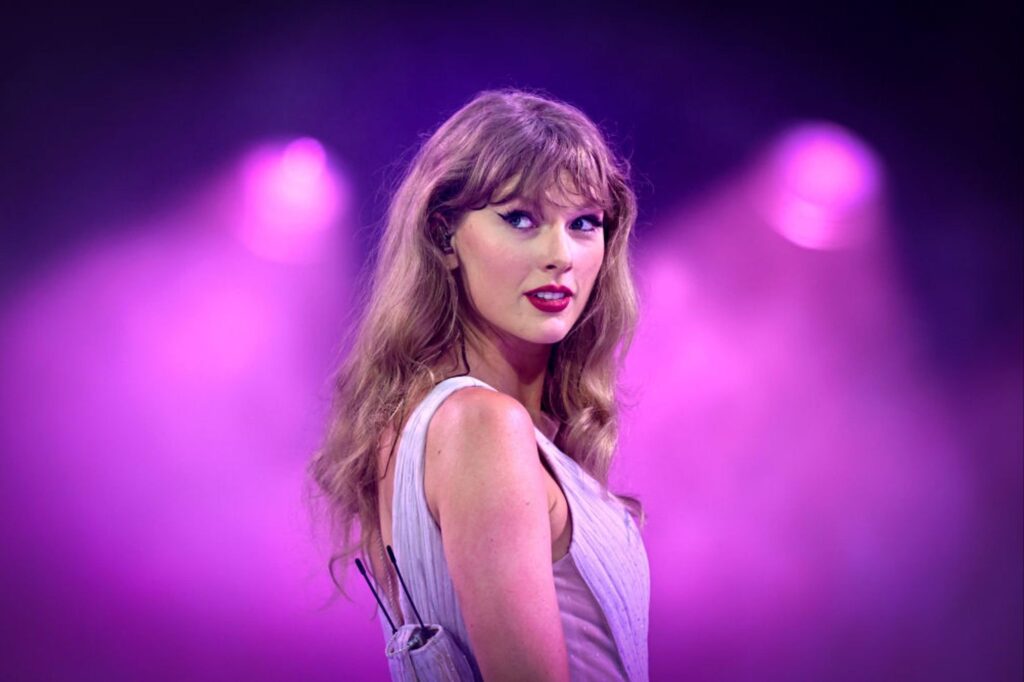
From that first release, Taylor Swift began building a career that would blur the lines between country roots, pop ambition, and emotional narrative in a way few artists have managed. What started as a teenage songwriter’s introduction soon became a global cultural force.
In those early years, her songs carried the intimacy of diary entries set to melody. Listeners didn’t just hear music—they recognized fragments of their own memories inside her lyrics. That connection became the foundation of her rise.
As her sound evolved, so did her audience. The transition from country beginnings to mainstream pop wasn’t just a genre shift; it was a statement of artistic reinvention. Each album era felt like a new chapter, carefully built yet emotionally raw.
What makes her journey remarkable is not only success, but control over transformation. Many artists are shaped by industry expectations, but Swift reshaped the expectations themselves. She turned change into a signature rather than a risk.
Over time, her work began to reflect broader themes—identity, fame, love, betrayal, and resilience. These weren’t just personal stories anymore; they became collective experiences shared across generations of listeners.
The evolution of her sound also mirrored the evolution of music consumption itself. From physical albums to digital streaming dominance, her releases consistently adapted to how audiences connect with art in real time.
Each era also brought a distinct visual identity, turning albums into immersive worlds rather than standalone collections of songs. Fans didn’t just listen; they entered carefully constructed creative universes that shifted with every release.
Critics often point to her songwriting as the core of her longevity. While production styles have changed dramatically, the foundation has remained the same: narrative precision and emotional clarity that translate across genres.
Beyond charts and awards, her influence reshaped how artists think about ownership, re-recording, and creative rights. Her decisions sparked wider conversations about control and authorship in the modern music industry.
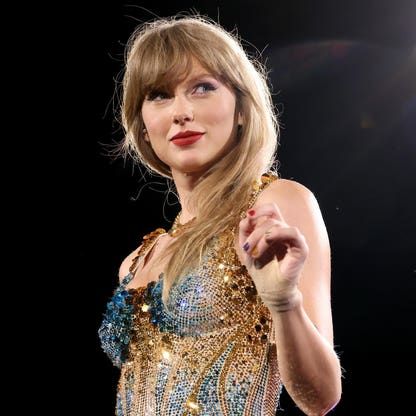
Two decades on, her presence in music feels less like a chapter and more like an ongoing series, still unfolding. Each release carries the weight of expectation, yet continues to find new ways to surprise.
And as the journey reaches its twentieth year since that first single in 2006, one truth remains clear: the story is far from finished, and whatever comes next may redefine the rules once again.