
But what makes this night unusual is not only what happens inside the stadium—it’s what unfolds outside it. Across downtown, the energy of the farewell will spill into the streets, where fans without tickets will still be able to share in the experience. In a city built on music, this is not just an event—it is a public celebration of legacy.
On Nashville’s iconic Broadway, a massive free broadcast is being organized so that the final performance can be experienced in real time. Screens, sound, and shared anticipation will transform the street into an open-air extension of the stadium itself, blurring the line between audience and city.
The gathering is designed to be accessible, with gates opening at 5PM ET, inviting fans from every corner—longtime followers, casual listeners, and curious passersby—to become part of the moment. It is rare for a farewell of this scale to unfold so publicly, and rarer still for it to be shared so freely.
Adding to the atmosphere, live performances from artists like James Carothers and Cory Farley will help build the night into a full-scale musical experience. Their sets are expected to carry the spirit of country tradition forward, bridging the anticipation before the main broadcast begins.
What is unfolding is not just a concert schedule—it is a layered event where stages, sidewalks, and screens merge into one continuous performance space. Nashville has long been known for turning music into atmosphere, but this farewell takes that idea further than usual.
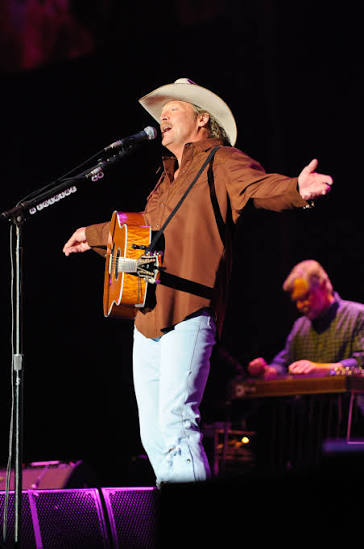
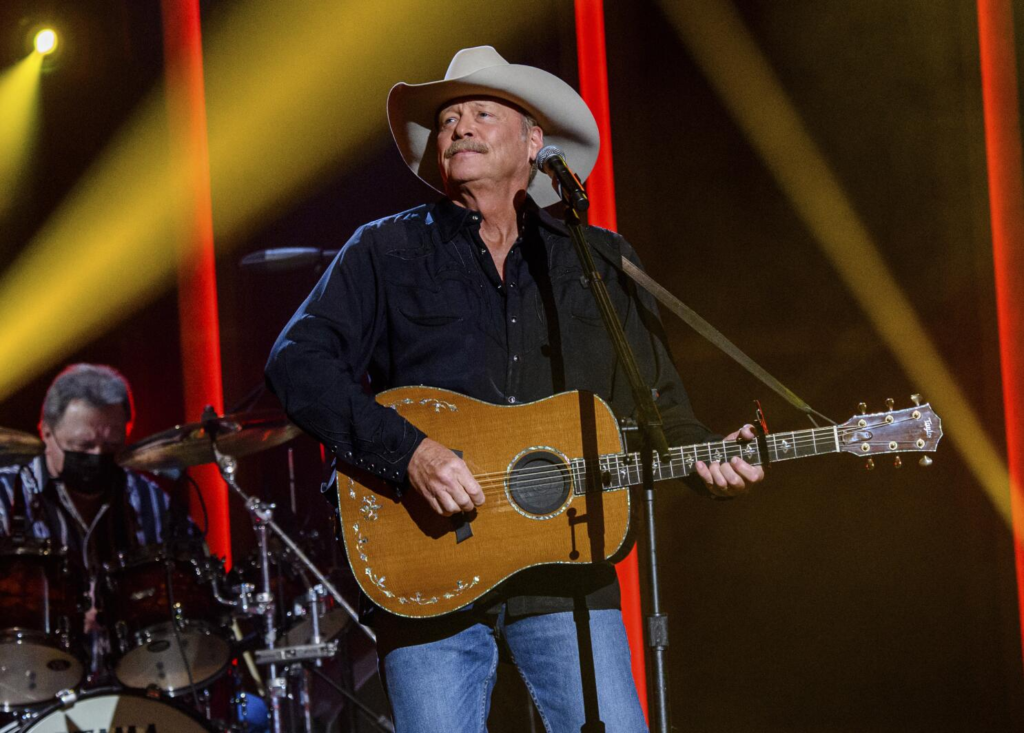
For fans of Alan Jackson, the night carries emotional weight that goes beyond setlists and stage lights. It represents decades of storytelling, highways and heartbreaks, small-town memories and stadium anthems—distilled into one final performance that feels both personal and shared.
For those watching from Broadway, the experience will likely feel different but no less powerful. Standing under the city lights, surrounded by thousands of strangers who know every lyric, the broadcast becomes something closer to a communal memory than a simple viewing.
There is also an unspoken understanding among fans that nights like this do not repeat. The final show of a major artist often becomes a reference point in music history, a “where were you when” moment that stays long after the last note fades.
In that sense, the city itself becomes part of the performance. Nashville is not just hosting the farewell—it is participating in it, absorbing it, and reflecting it back through sound, crowd, and celebration. The streets become an echo chamber of a career coming full circle.
As the evening approaches, anticipation is building not around spectacle alone, but around presence. Being there—whether inside the stadium or standing on Broadway—becomes the point. The broadcast simply ensures that no one is entirely left outside the story.
When the final chords eventually arrive, they will not belong solely to the stage. They will belong to every corner of the city, every screen glowing on Broadway, and every fan holding onto a song that once defined a moment in their own life. In Nashville that night, farewell will not feel like an ending—it will feel like something still unfolding.