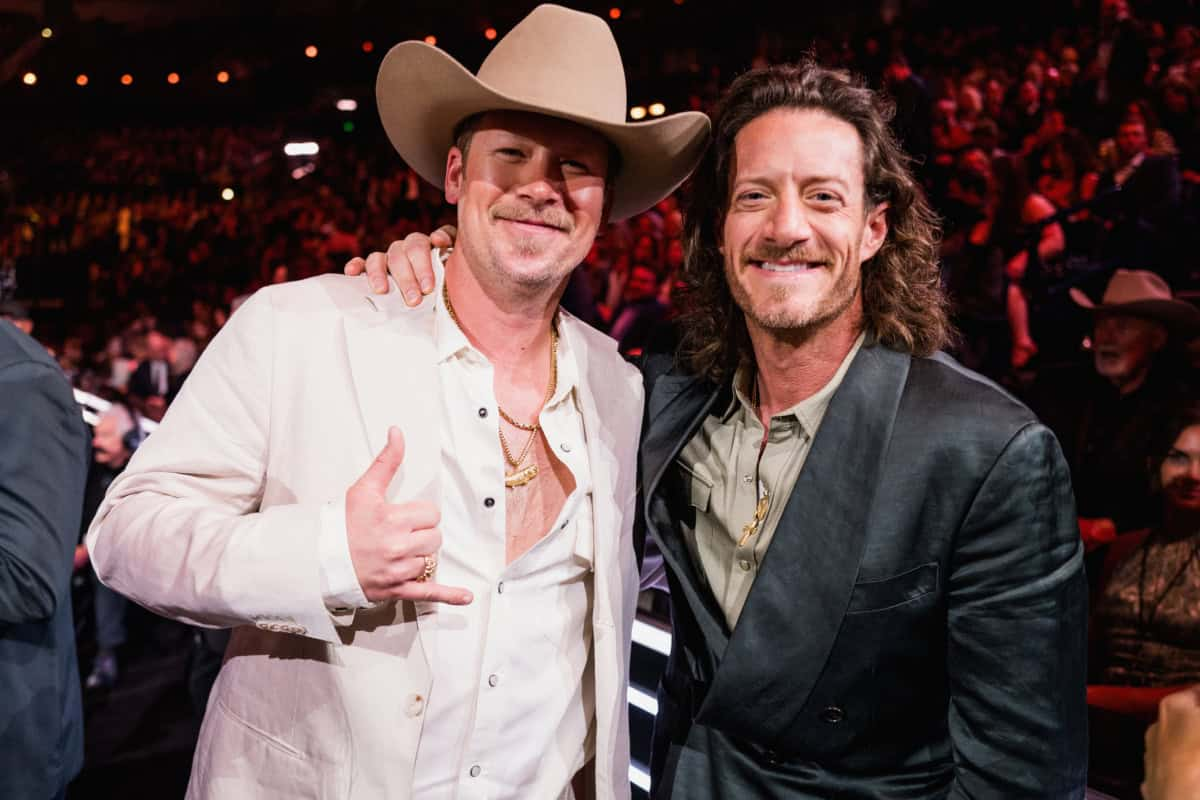
The music industry has seen countless reunions over the years, but very few evolve into something that feels structurally significant. Florida Georgia Line’s recent movements suggest this is no longer just a nostalgic moment—it is shaping up to be a coordinated return.
What began as a surprise CMA Fest reunion has quickly developed into something far more intentional.
Tyler Hubbard and Brian Kelley signing with CAA for booking representation, alongside bringing The Core Entertainment on board for management, signals a shift in direction that goes beyond casual collaboration. These are the kinds of decisions artists make when they are preparing for sustained activity, not isolated appearances.
And that distinction is crucial.
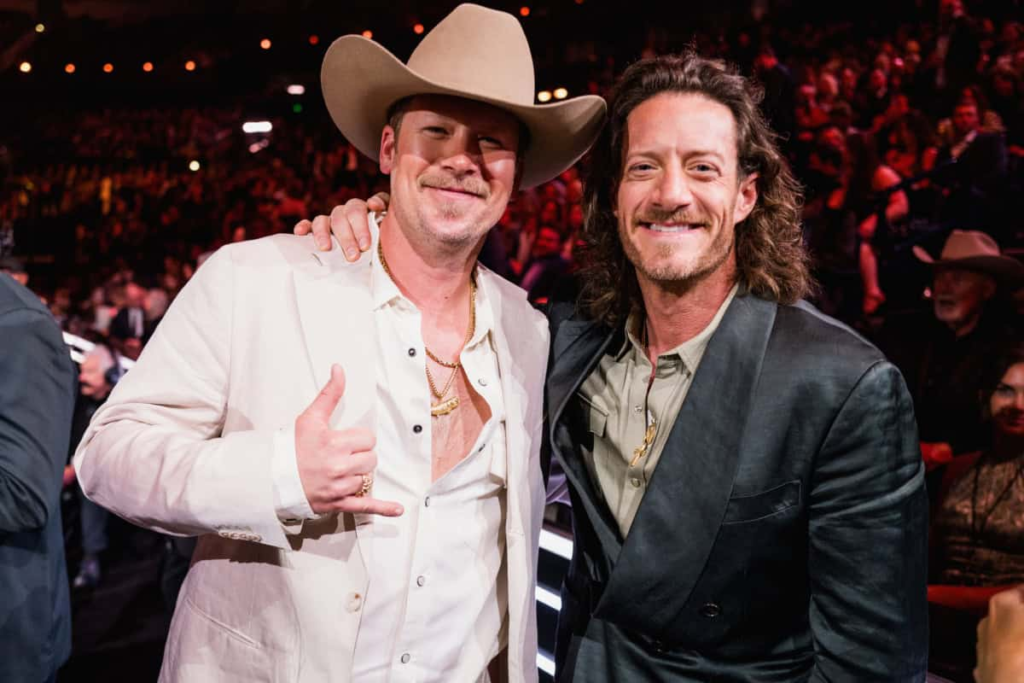
In the entertainment business, infrastructure often speaks louder than announcements. A single performance can be interpreted as nostalgia. But agency representation, management alignment, and strategic planning indicate long-term vision. That is why industry observers are now paying close attention to what Florida Georgia Line is building.
At this stage, the possibility of live shows is no longer speculative.
With CAA handling bookings, festival appearances are expected to emerge as the first step. These types of engagements typically serve as a testing ground for audience response, chemistry, and logistical coordination before larger touring plans are confirmed.
From there, a full tour in 2027 appears increasingly plausible.
That timeline aligns with Tyler Hubbard’s current solo commitments, including opening for Dan + Shay and promoting his new single “Land.” Once those obligations are completed, the duo would have a clearer runway to scale their joint return without conflicting schedules.
But beyond logistics, there is the weight of their legacy.
Florida Georgia Line’s commercial impact remains one of the most significant in modern country music history. With 12.7 billion career streams, two Diamond-certified singles, and a catalog that defined an era of crossover country-pop success, their influence is already deeply embedded in the genre’s evolution.
“Cruise,” in particular, became a cultural phenomenon.
Spending over 50 weeks on the Hot 100, it helped redefine what country music could sound like on mainstream radio. Meanwhile, “Meant to Be” with Bebe Rexha extended that influence even further, holding the record for the longest-running single on Hot Country Songs and demonstrating their ability to bridge genres at scale.
These achievements are not just statistics.
They represent a period in country music where boundaries expanded, audiences diversified, and radio formats shifted in response to evolving listener habits. Florida Georgia Line was at the center of that transformation, whether intentionally or as a byproduct of timing and innovation.
That is what makes their return so compelling.
It is not simply about two artists reuniting after time apart. It is about revisiting a legacy that helped shape the sound and commercial direction of an entire era. Any new material or touring cycle will inevitably be measured against that history.
And expectations will be high.
Fans are not just anticipating performances—they are anticipating relevance. The question is whether Florida Georgia Line will lean into their past sound, evolve it, or attempt something entirely new to reflect where the genre has moved in their absence.
Industry observers are watching closely.
The structure now in place suggests that decisions are being made with long-term planning in mind. Booking agencies and management firms do not align themselves with artists for short-term nostalgia runs. They invest in trajectories that can scale across tours, festivals, and potentially new releases.
That is why speculation is intensifying.
The CMA Fest reunion may have served as the spark, but the business moves that followed are what turned attention into expectation. In many ways, the industry is now treating Florida Georgia Line not as a legacy act revisiting the past, but as a returning force preparing for its next phase.
Still, one central question remains unanswered.
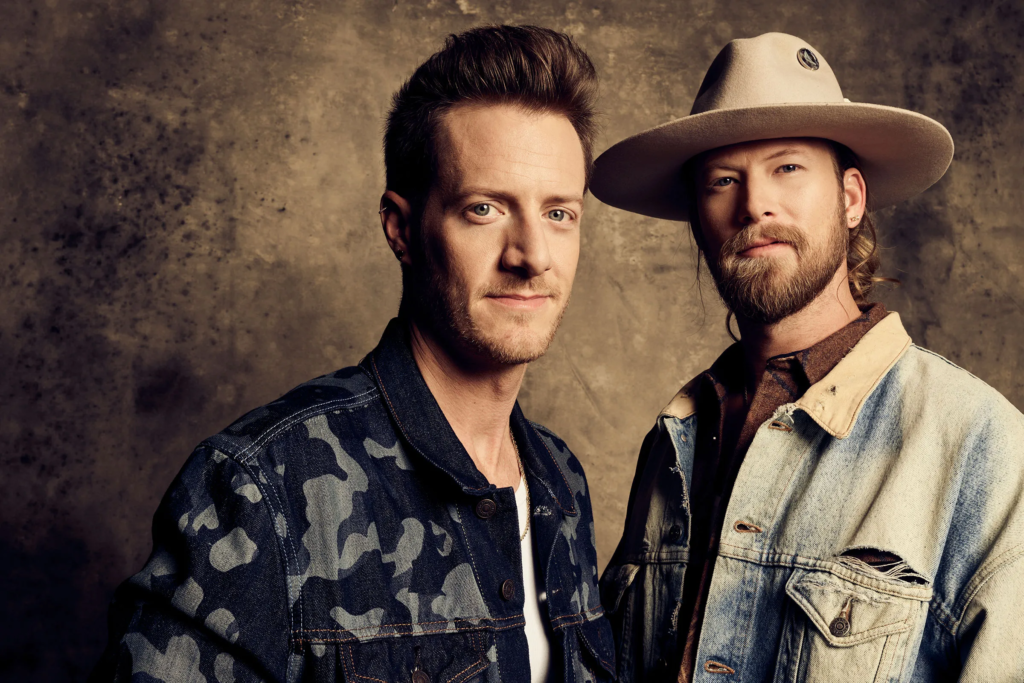
Even with all the data, infrastructure, and timing in place, no one outside their inner circle knows exactly what shape this comeback will take. It could be a selective festival run, a full global tour, or even new music that redefines their sound once again.
What is clear is that the narrative has already changed.
This is no longer about whether Florida Georgia Line will reunite on stage. That question has been answered. The real anticipation now surrounds scale, ambition, and creative direction.
And in an industry built on momentum, timing is everything.
As 2027 approaches, all signs point toward a return that is not just noticed—but measured against everything they accomplished before. The only unknown left is how far they are willing to push the next chapter of their story.