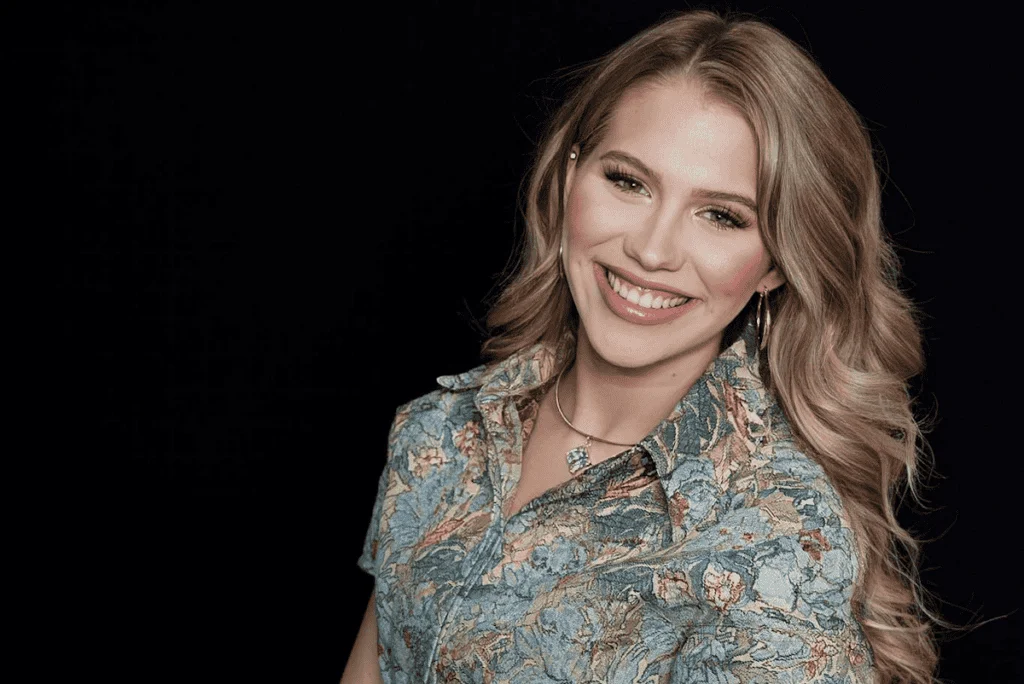
There are turning points in every season of American Idol—moments where a contestant doesn’t just perform, but transforms the entire trajectory of the competition. Taylor Swift Night became exactly that moment for Hannah Harper. It didn’t simply narrow the field; it redefined who’s truly in control of the race as the finale draws closer.
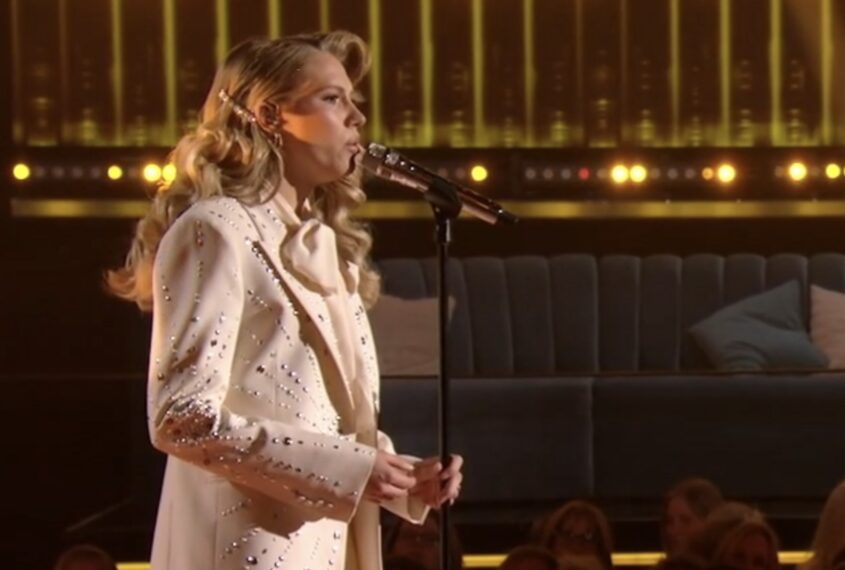
When Hannah walked onto that stage with a banjo and began “Mean,” it felt intentional from the very first note. This wasn’t a safe choice. It was a statement. A reclamation of identity. A reminder that authenticity, when executed with precision, can cut through any noise surrounding a competition this intense.
What made the performance land wasn’t just vocal clarity—it was conviction. Hannah didn’t perform the song as a cover; she reinterpreted it through her own lens. Every lyric carried a sense of lived experience, and that emotional layering created a connection that audiences don’t just appreciate—they remember. In a competition driven by votes, memory is power.
Her journey adds even more weight to the moment. A stay-at-home mom of three from Poplar Bluff, Missouri, Hannah entered the competition with a narrative rooted in relatability. But narratives alone don’t carry contestants this far. It’s the ability to evolve within that story—and Hannah has done exactly that, week after week.
The numbers tell a story of their own. Leading the fan vote for five consecutive weeks isn’t just impressive—it’s rare. It signals consistency, loyalty, and trust from an audience that has countless options but continues to return to one voice. Taylor Swift Night didn’t create her momentum; it amplified it at exactly the right time.
Judges were quick to recognize what was unfolding. Carrie Underwood praised the performance with a level of detail that suggested more than admiration—it suggested belief. Encouraging Hannah to release her own version wasn’t just a compliment; it was validation of commercial viability.
Then came Lionel Richie, whose words often carry a sense of industry foresight. Saying she looked and sounded like a star wasn’t casual—it was predictive. He wasn’t describing a moment; he was describing a trajectory.
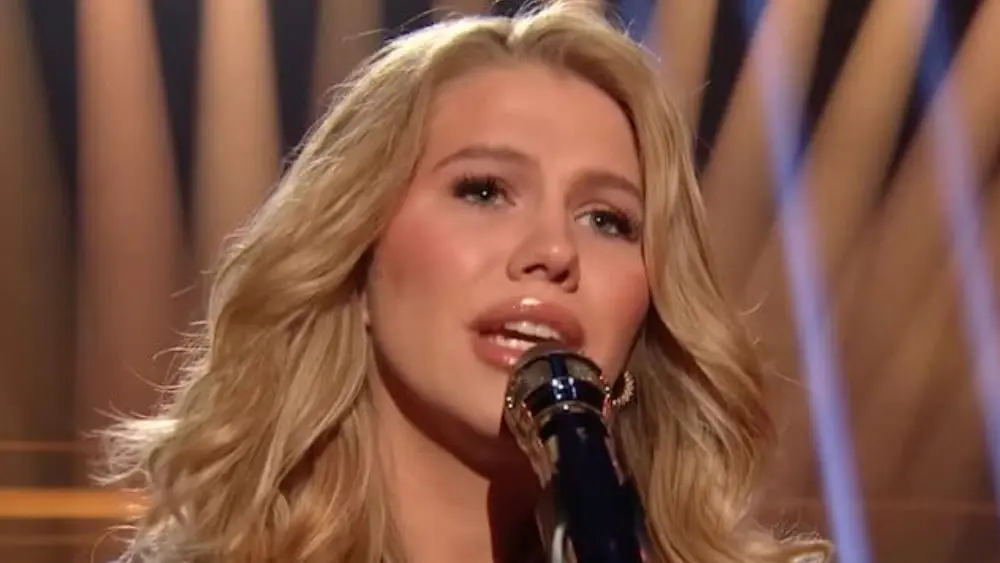
And Luke Bryan took it even further. His comment about longevity wasn’t tied to the competition—it was tied to a career. That distinction matters. It signals that what Hannah is building may extend far beyond the Idol stage, into something sustainable and lasting.
What’s fascinating is how timing has aligned with growth. Many contestants peak too early or too late. Hannah, however, is accelerating as the stakes rise. That’s the difference between a strong contestant and a potential winner. She’s not just maintaining relevance—she’s increasing it when it matters most.
Looking ahead, the pressure only intensifies. Sharing the stage with mentors like Randy Jackson and Paula Abdul introduces a new layer of expectation. These are voices that helped define the show’s legacy, and their guidance often reveals which contestants are truly built for the spotlight.
But if recent performances are any indication, Hannah isn’t approaching this next phase with hesitation. She’s entering it with clarity. Banjo in hand. Identity fully formed. Confidence not borrowed, but earned. And that distinction is what makes her presence feel different from the rest.
As the finale approaches, the conversation is shifting. It’s no longer about whether Hannah belongs in the Top 5—it’s about how far her momentum can carry her. In a competition where timing, connection, and consistency collide, she’s currently holding all three.
And when a contestant aligns those elements this late in the game, they don’t just compete—they take control of the narrative.