The announcement that Lainey Wilson could be part of America’s 250th birthday celebration was expected to be a moment of pride, yet it has instead ignited a wave of online debate. What should have been a unifying cultural highlight has quickly turned into a flashpoint, with social media users questioning the decision and what it represents about modern American entertainment choices.
For many supporters, Wilson feels like a natural fit. Her rise in country music has been defined by authenticity, storytelling, and a grounded connection to tradition. Fans argue that she represents a new generation carrying forward a distinctly American sound. But as praise builds, so does criticism, and the internet is now sharply divided.
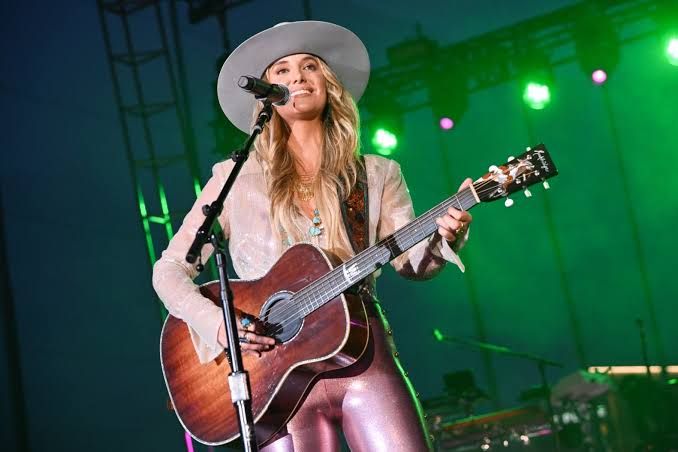
The backlash centers around a broader question: what defines “deserving” in a moment meant to represent an entire nation? Critics argue that America’s 250th celebration should spotlight artists with broader cross-genre impact or deeper historical significance. To them, the selection feels more like popularity than cultural legacy.
Others push back, insisting that Lainey Wilson’s success story is exactly the kind of narrative America should be celebrating. From small-town beginnings to mainstream recognition, her journey resonates with themes of persistence and identity. For her supporters, the controversy says more about audience expectations than her qualifications.
As the debate intensifies, the conversation has shifted beyond music and into cultural symbolism. Some online voices claim the selection reflects a narrowing of standards in entertainment recognition, while others argue that the definition of “American icon” has always evolved with each generation. The divide is as emotional as it is ideological.
Industry observers have also weighed in, noting that public backlash is now a predictable part of major entertainment announcements. In an era where every decision is dissected in real time, even celebratory events risk becoming arenas for debate. Wilson, willingly or not, has become the center of that dynamic.
What makes this moment particularly charged is the timing. America’s 250th anniversary is not just another event—it carries historical weight, reflection, and national identity. That context raises the stakes, making every performer selection feel like a statement rather than just a booking decision.
Fans defending Wilson emphasize her cultural relevance and recent dominance in country music charts. They argue that her voice represents a living, evolving genre that still holds deep roots in American storytelling traditions. To them, the outrage feels disconnected from her actual achievements.
Yet critics remain unconvinced, suggesting that the celebration could have spotlighted a wider range of artists to reflect America’s diversity more fully. They see the controversy not as personal criticism of Wilson, but as a larger conversation about representation and cultural balance.
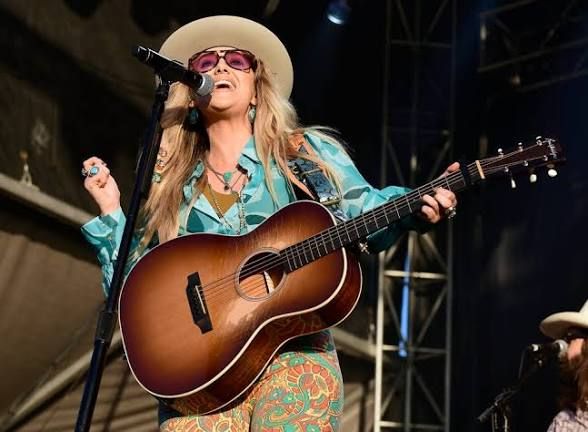
As hashtags trend and comment sections fill with opposing views, the situation continues to escalate without clear resolution. What began as an announcement has transformed into a national discussion about identity, taste, and cultural direction, showing how quickly public opinion can shift in the digital age.
At the heart of it all, Lainey Wilson remains both praised and questioned, celebrated and scrutinized. And as America moves closer to its historic milestone, one lingering question refuses to fade: is this truly the voice that will define the celebration—or just the beginning of a much bigger debate?