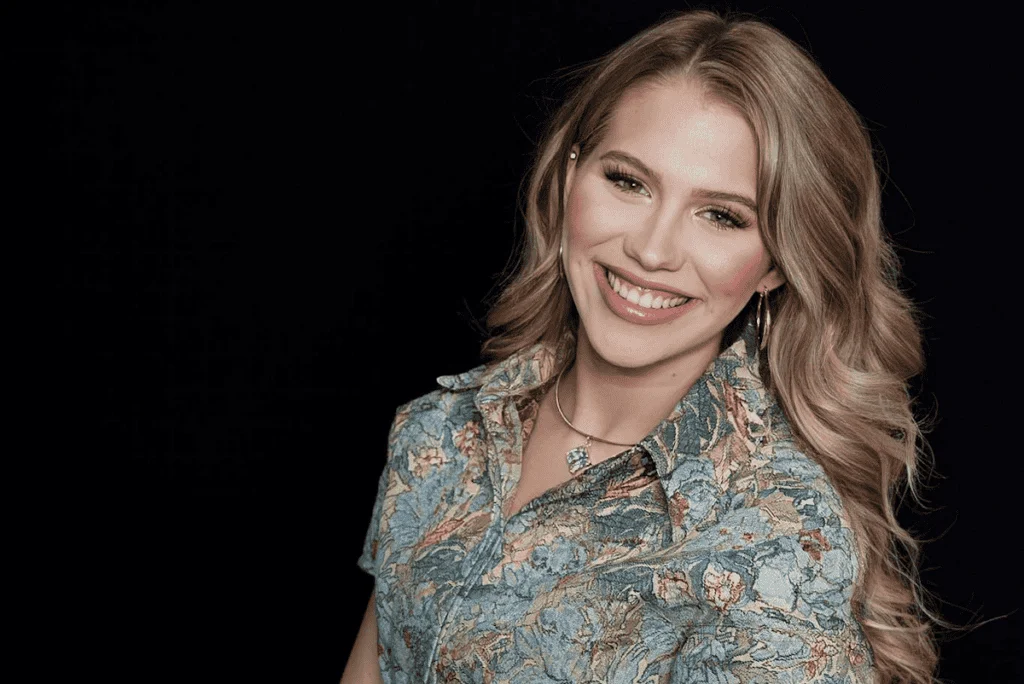
There are moments in music that feel bigger than charts, bigger than competition, bigger than the stage itself. When Hannah Harper chose to cover “Choosin Texas,” it wasn’t just another performance—it was a quiet reach toward something more. And when Ella Langley noticed, everything shifted.
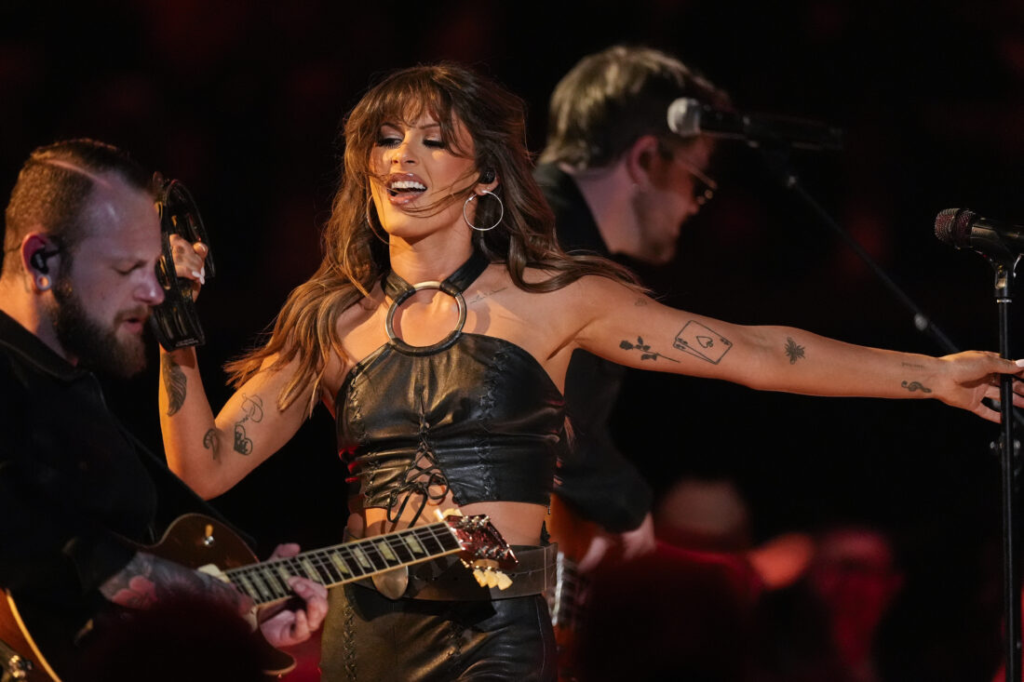
Because recognition, especially from the artist behind the song, carries a different kind of weight.
At first, it was subtle. A comment. A simple acknowledgment. But in today’s world, where artists scroll past hundreds of covers daily, even that small interaction meant something. It said: I see you. And for a rising voice like Hannah’s, being seen can be just as powerful as being heard.
Then came the moment no one expected.
Ella didn’t just stop at appreciation—she amplified it. Sharing Hannah’s cover on her story wasn’t just a gesture; it was a spotlight. It took a performance that was already resonating and placed it directly in front of a wider audience, one that trusts Ella’s taste, her instincts, her voice.
And then, the invitation.
A duet.
Not a vague “we should sing sometime,” but a direct, public, undeniable call. In an industry where collaborations are often carefully calculated, this felt spontaneous. Genuine. Almost rare.
It wasn’t just approval.
It was alignment.
What makes this moment so compelling isn’t just the interaction itself, but what it represents. Country music, at its core, has always been about storytelling, community, and passing the torch. When one artist lifts another, it doesn’t feel like competition—it feels like continuity.
And that’s exactly what this was.
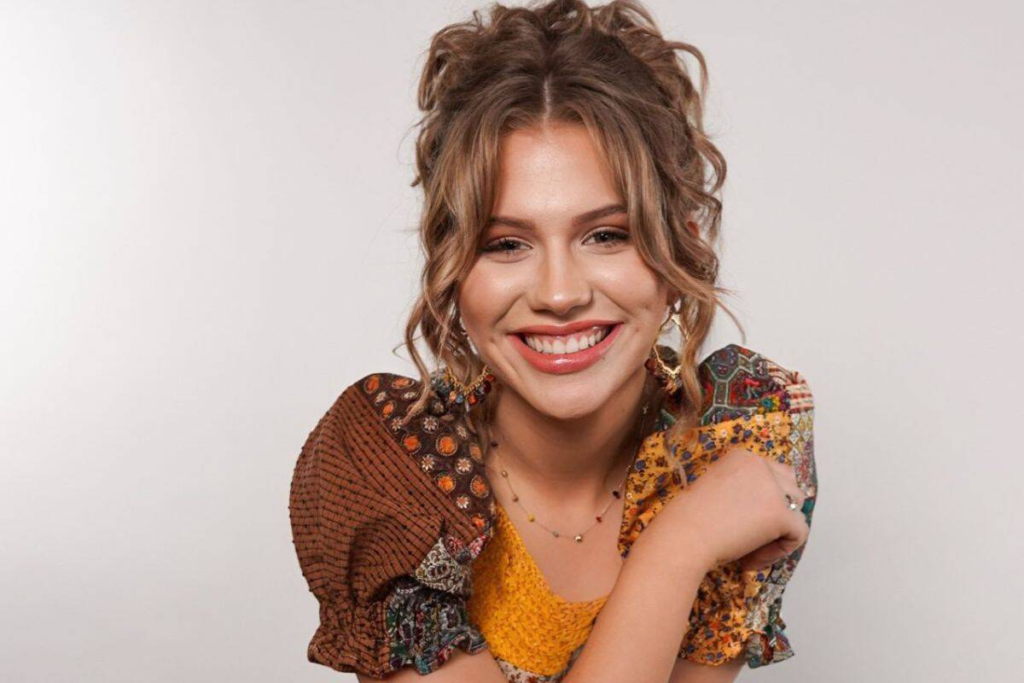
Hannah didn’t imitate “Choosin Texas.” She interpreted it. She stepped into the song with her own lived-in tone, her own emotional rhythm, her own quiet confidence. And somehow, she honored the original without losing herself in it.
That balance is difficult.
That balance is what caught Ella’s attention.
Because artists know. They can hear the difference between someone covering a song and someone understanding it. And when Ella Langley responded the way she did, it confirmed what fans were already starting to believe—Hannah isn’t just performing songs, she’s connecting with them.
Deeply.
The audience felt it too. The reaction online wasn’t just excitement—it was admiration. People weren’t just talking about the cover; they were talking about the moment. The kind that feels unscripted, the kind that unfolds in real time, the kind that reminds everyone why they love music in the first place.
Moments like this don’t happen every day.
And when they do, they tend to leave a mark.
For Hannah, this could be more than just a viral interaction. It could be a turning point. Because when an established artist opens a door, even slightly, it changes how others see you. It shifts perception. It builds credibility in ways that no amount of self-promotion ever could.
And suddenly, the narrative evolves.
She’s no longer just a contestant, or a performer, or a voice in a crowded field.
She becomes someone to watch.
Someone to remember.
Someone other artists are willing to stand beside.
That’s the real power of this moment.
Not the likes. Not the shares. Not even the duet itself—though that alone has fans buzzing with anticipation. It’s the signal it sends. The quiet confirmation that Hannah Harper is moving in the right direction, at the right time, with the right kind of presence.
Because in music, timing matters.
Connection matters.
But recognition from someone who’s already walking the path you’re trying to find?
That can change everything.
So now, the question isn’t just whether fans loved the cover.
It’s bigger than that.
It’s whether this moment—this simple, genuine, beautifully unexpected exchange—was the spark that turns potential into something undeniable.
And if it was… then we may have just witnessed the beginning of something much bigger than a cover song.