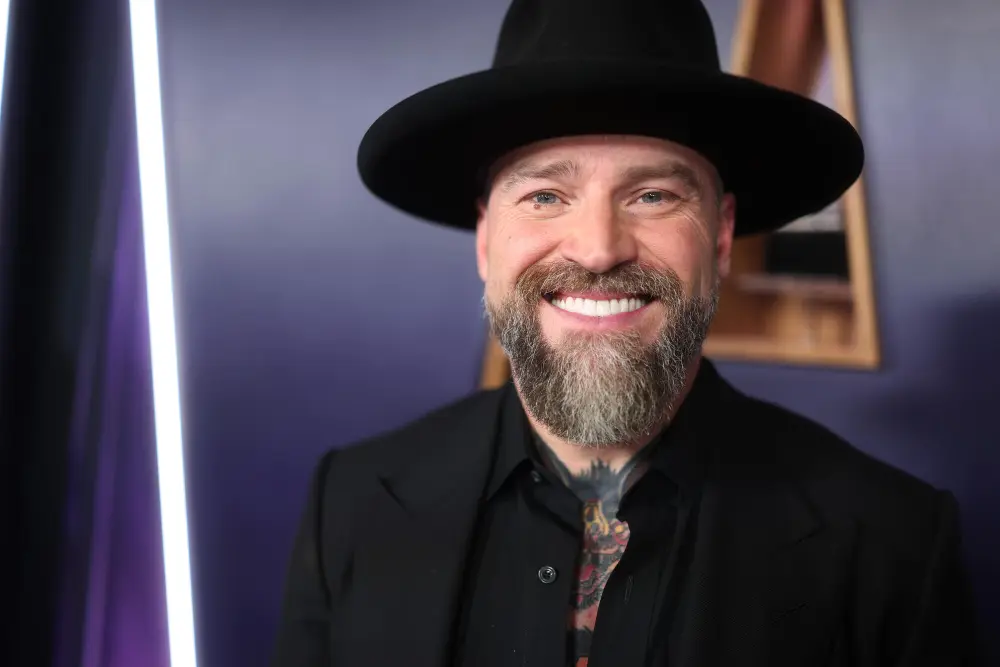
When Zac Brown stepped onto the White House South Lawn for UFC Freedom 250, it was not just another high-profile performance in his career. It was a moment positioned at the intersection of music, national symbolism, and public debate. Backed by the United States Marine Band and members of the Zac Brown Band, he delivered a rendition of “The Star-Spangled Banner” that immediately set the tone for an event already destined to be historic.
The setting alone carried extraordinary weight. UFC Freedom 250 marked the first major sporting event ever held on the White House South Lawn, transforming one of the most recognizable political spaces in the world into a stage for sport and ceremony. The choice of venue ensured that every detail, from the performers to the symbolism, would be viewed through a national lens.
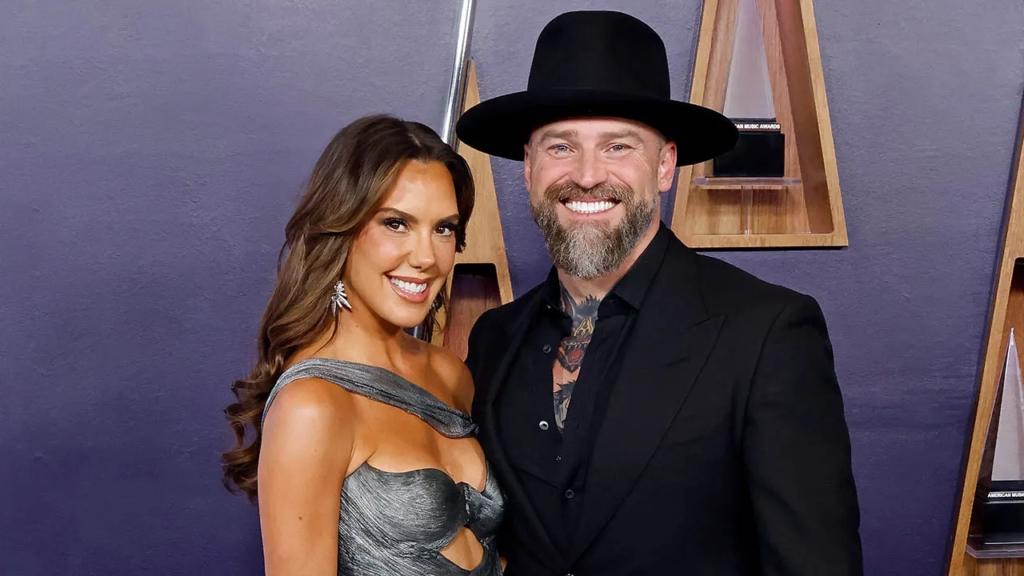
Zac Brown’s role in the opening moment placed him at the center of that attention. Known for blending country, rock, and Americana influences, he has long built a career rooted in themes of identity, reflection, and unity. His presence at such a politically and culturally charged event naturally invited both celebration and scrutiny.
In the days leading up to the performance, Brown found himself addressing controversy surrounding his participation. Some questioned the intersection of entertainment and politics at an event hosted in such a symbolic location. Others debated whether artists should engage with platforms tied so closely to national institutions. Amid that discussion, Brown made his position clear.
“This is patriotism, not politics,” he stated, framing his decision as an act of national tribute rather than political alignment. His comments emphasized that the intention behind his performance was to honor the United States and recognize the service and sacrifice of the troops in attendance.
That distinction became a central part of the conversation surrounding the event. For Brown, the performance was not about commentary or controversy, but about contribution—offering music as a form of respect within a moment designed to celebrate national identity.
When the performance began, the collaboration between Brown, the Marine Band, and his own group created a layered musical experience. The presence of the United States Marine Band added ceremonial gravity, while his bandmates brought a familiar contemporary energy. Together, they bridged tradition and modern performance in a single rendition.
The White House South Lawn itself added another dimension. Few musical performances occur in a space so deeply tied to American political history. Turning that setting into a sporting venue, even temporarily, marked a rare departure from tradition and elevated the significance of every moment on stage.
As the anthem unfolded, the audience of 8,000 active service members contributed to the atmosphere in a way that could not be replicated in a typical concert or stadium setting. The performance was not just observed—it was shared in real time by those it was intended to honor most directly.
Moments like these often extend beyond music. They become part of broader cultural conversations about the role of artists in national events, the meaning of public performance, and the ways in which music can function as both expression and tribute.
For Zac Brown, this was not unfamiliar territory. Throughout his career, he has often performed in contexts tied to national reflection, charity, and service. However, the scale and symbolism of UFC Freedom 250 placed this appearance in a category of its own.
The debate surrounding his participation also highlighted the evolving expectations placed on public figures in entertainment. In an era where performances are instantly dissected across media platforms, even artistic choices can become subjects of national discussion. Brown’s response reflected an effort to ground his decision in intention rather than interpretation.
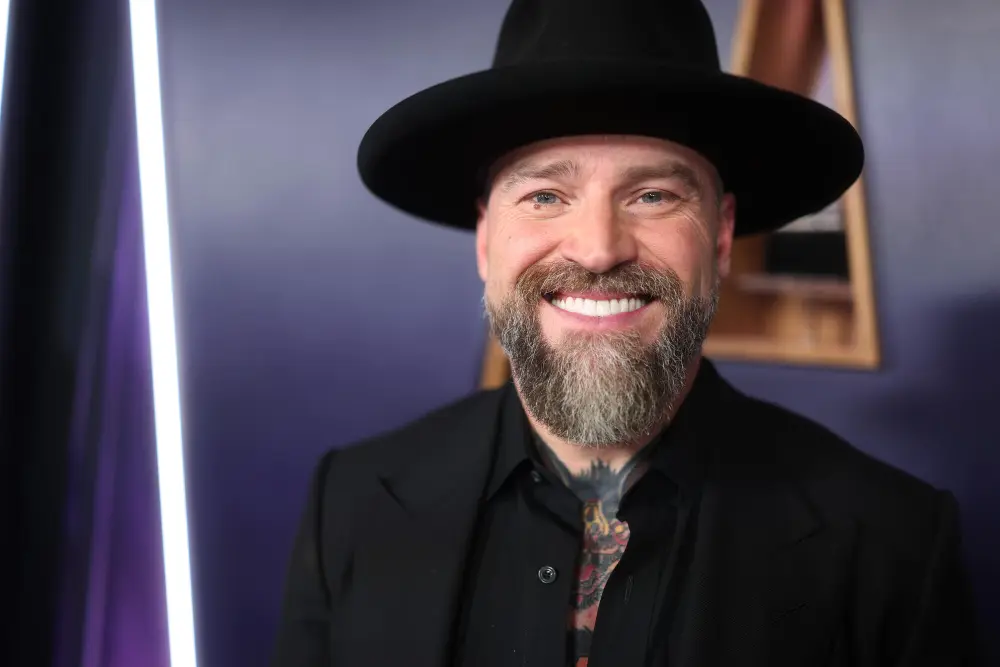
What ultimately defined the moment, however, was not the surrounding conversation, but the performance itself. The collaboration between military musicians and a country artist on a historic stage created a version of the national anthem that felt both traditional and contemporary at once.
As UFC Freedom 250 officially opened, the performance set a tone that extended beyond sport. It marked the beginning of an event designed to merge athletic competition with national celebration, and Brown’s rendition became its emotional and symbolic foundation.
In the end, the moment raised a question larger than any single performance. When music, history, and national identity converge on a stage as unconventional as the White House South Lawn, where does art end and meaning begin—and who ultimately defines the space between them?