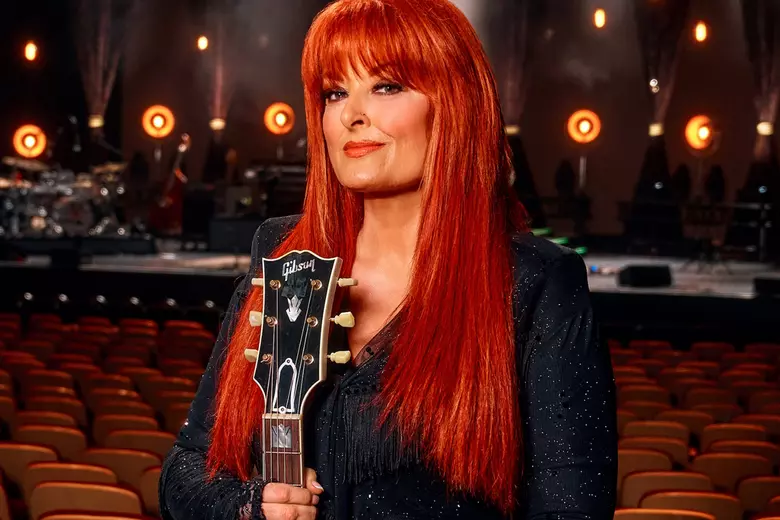
For Wynonna Judd, music has always been more than performance—it has been survival. With her upcoming solo album The Hard Truth, she returns after a decade not with spectacle, but with something far more vulnerable: a record rooted in lived experience, emotional honesty, and unfiltered reflection.
This project is already being described as one of her most painfully candid works to date, not because it aims to shock, but because it refuses to hide. It leans directly into memory, loss, resilience, and the parts of life that are often easier left unspoken.
In her own words shared on social media, Judd makes the intention of the album unmistakably clear: “It’s time to tell my story.” That statement alone sets the tone for what follows—not just a collection of songs, but a personal reckoning expressed through music.

She reflects on a lifetime spent singing about heartbreak, faith, healing, and survival, yet acknowledges that this record required a different level of honesty. It is not repetition of past themes—it is a deeper excavation of them.
What makes The Hard Truth feel especially significant is the way it challenges the idea of artistic perfection. Judd describes the process as one that demanded she let go of control and embrace emotional imperfection, even when her voice shook in the studio.
That vulnerability becomes the foundation of the album’s identity. Rather than presenting polished distance, it leans into the rawness of lived emotion, where clarity is not always immediate and healing is rarely linear.
Each song is described as a reflection of where she has been, what she has lost, what she has overcome, and who she has become. It is a framing that turns the album into something more than music—it becomes a personal timeline set to sound.
In an industry often focused on reinvention and reinvention again, Judd’s approach feels different. Instead of escaping her past, she is revisiting it with intention, choosing to tell the parts of her story that once remained unspoken.
That decision also reshapes how listeners may experience the album. It is not positioned as background music or casual listening—it invites attention, reflection, and emotional engagement from the very first note.
The lead single “Kentucky Queen” already offers a glimpse into that tone, setting the emotional and thematic direction ahead of the full release. It acts as both an introduction and a promise of what the rest of the record will explore.
Scheduled for release on October 2, The Hard Truth arrives at a moment when many artists are exploring vulnerability, but Judd’s version of it carries the weight of decades lived in the public eye and behind the music itself.
There is a particular kind of courage required to revisit one’s own story without filtering it for comfort. Judd’s framing suggests that this album is not about revising the past, but acknowledging it exactly as it was experienced.
That honesty also highlights a shift in perspective that often comes later in an artist’s journey—the understanding that truth can be more powerful than perfection, even when it is difficult to share.
As anticipation builds, one question lingers beneath the surface of every preview, statement, and early listen: when the full story is finally told on October 2, how much of the truth will feel familiar—and how much will feel like it was never said out loud before?