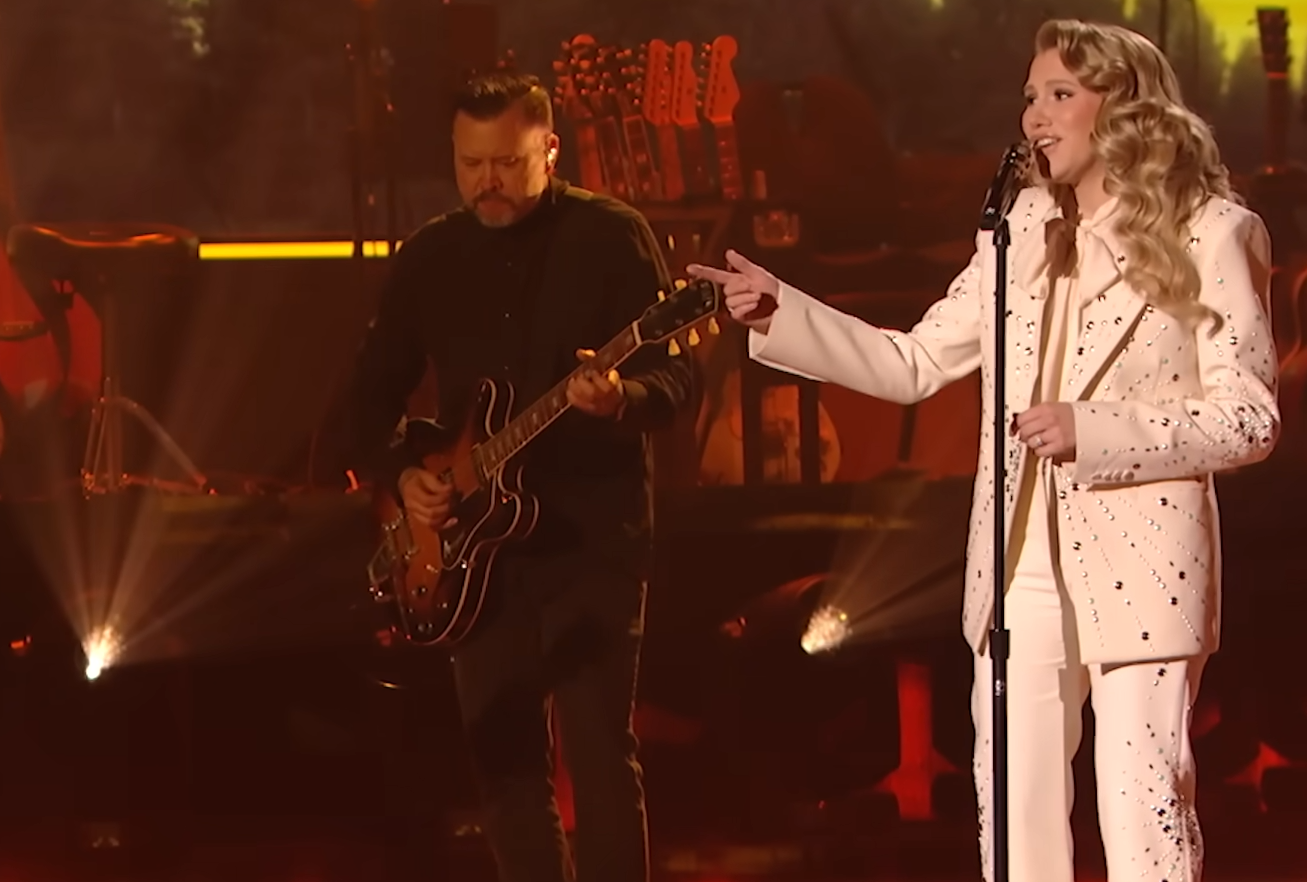
There are nights when a contestant sings well, earns applause, and moves on. Then there are nights when a performer takes pain, pressure, and public doubt—and turns it into something unforgettable. Hannah Harper delivered the second kind of night.
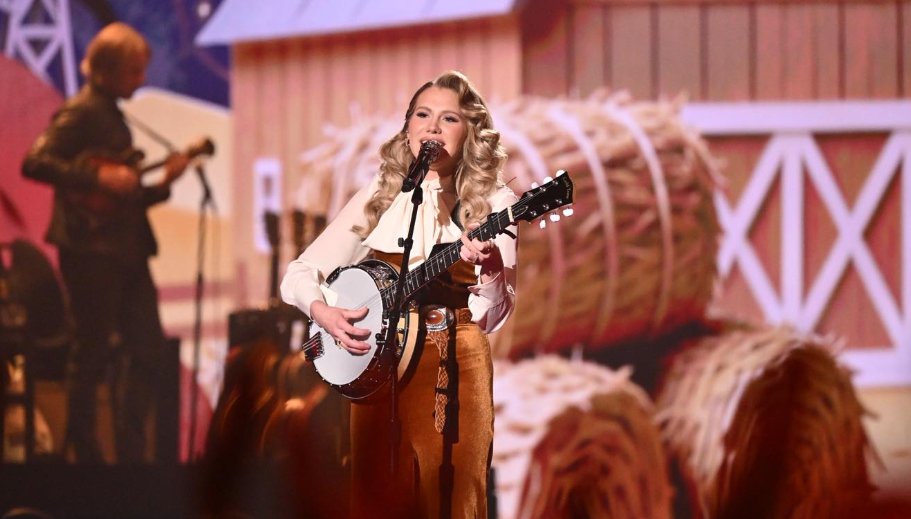
Taking on Mean, Hannah stepped onto the stage carrying more than just the usual competition nerves. She came in after facing a wave of negativity the previous week, the kind of criticism that can shake confidence, distort momentum, and force contestants into defensive mode. Many singers would have tried to explain themselves. Others might have chosen a safe song and hoped to reset quietly.
Hannah chose something far more powerful.
She answered with music.
From the moment the performance began, it was clear this would not be just another cover of a familiar hit. She approached Mean with purpose, as if every lyric had found a new meaning through what she had just lived. The song no longer felt like a playful anthem about ignoring critics. In Hannah’s hands, it became personal, timely, and emotionally charged.
That is what separates a standard performance from a defining one.
Some contestants sing songs. Others inhabit them. Hannah seemed to step inside every line and deliver it from lived experience. You could hear it in the phrasing, in the way she emphasized certain words, in the confidence behind lines that might once have sounded lighthearted but now carried weight.
Every lyric landed harder because the audience knew the context.
That context matters in live competition. Viewers are not only hearing notes—they are reading stories in real time. They understand when a performer is simply entertaining and when a performer is saying something deeper. Hannah’s rendition felt like a message without ever becoming heavy-handed.
She did not rant. She did not explain. She did not ask for sympathy.
She sang.
And in doing so, she may have delivered the strongest possible response to anyone who doubted her. There is something uniquely compelling about a contestant refusing to shrink under pressure. Rather than becoming cautious, Hannah looked energized. Rather than softening her presence, she sharpened it.
Vocally, the performance carried clarity and control, but what elevated it was conviction. Notes matter, timing matters, pitch matters—but conviction is what people remember. It is the quality that makes a song feel alive. Hannah had that in abundance, and it turned the stage into more than a set. It became a moment of reclaiming narrative.
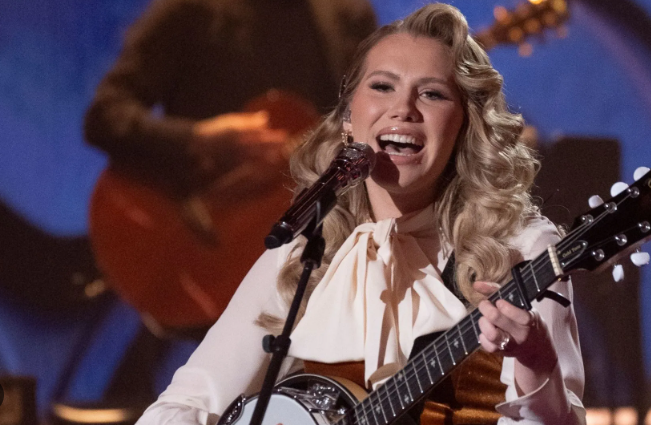
There was also intelligence in the song choice itself.
Mean is a recognizable track with emotional accessibility, but it can be underestimated. Performed casually, it can come across as charming but lightweight. Performed with real intention, it becomes resilient, defiant, and surprisingly moving. Hannah understood the second path and took it fully.
The audience seemed to recognize it immediately. Reactions during and after the performance carried the feeling of witnessing something timely. This was not nostalgia for a known song. It was appreciation for how completely she reframed it.
That ability to reinterpret is a major sign of artistry.
In competitions, many contestants focus on proving they can hit notes from famous songs. But the most memorable performers make listeners hear a song differently than before. They reveal something new in familiar material. Hannah did exactly that. She transformed Mean from a general statement into a personal triumph.
What made the moment even stronger was the restraint. She did not oversell the emotion. She did not force drama into every phrase. Instead, she let authenticity do the heavy lifting. That often hits harder than obvious theatrics because viewers can sense when something is real.
Fans now calling the performance better than the original may be speaking emotionally rather than literally—but that emotional reaction says everything. When audiences compare a live competition performance to an iconic recording, they are expressing how deeply it connected. They are saying it moved them beyond expectation.
And that may be the most important part of all.
Competitions are not won by technical perfection alone. They are won by moments that create loyalty, conversation, and memory. Hannah’s performance seems to have done all three. It gave supporters something to rally around, gave critics something to reconsider, and gave neutral viewers a reason to pay close attention.
There is also a broader lesson inside moments like this. Public negativity often pressures artists to become smaller, safer, or more guarded. Hannah chose the opposite. She used criticism as fuel, stepped into vulnerability, and came back louder through art than she ever could through argument.
That can reshape a season.
If momentum was uncertain before, it now feels renewed. If confidence was questioned, it now looks fortified. If some viewers saw her as fading, they may need to rethink everything after this performance.
Whether Hannah Harper wins or not, this night may be remembered as the moment she stopped reacting to the competition and started commanding it.
Because sometimes the strongest answer is not defending yourself.
Sometimes it is stepping into the spotlight, singing the truth, and leaving no doubt when the music ends.