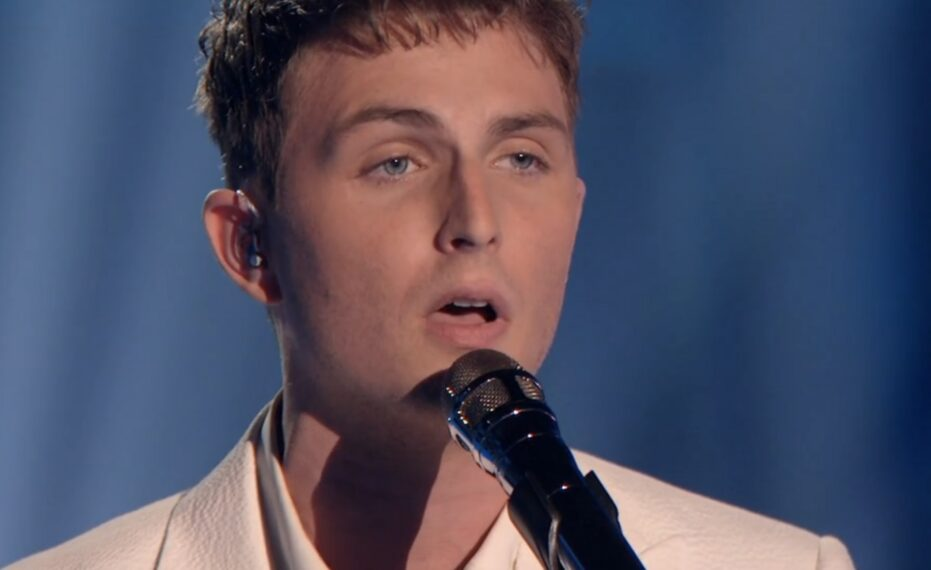
Some performances are polished from the first rehearsal. Others are born in uncertainty and become unforgettable because of it. Braden Rumfelt delivered the second kind. What nearly became a moment of doubt in rehearsal transformed into one of the most compelling performances of the night when he stepped on stage and sang Remember Me.

Before the spotlight ever found him, the path looked shaky. Rehearsal nerves seemed to creep in, and there was a sense that things could unravel at any second. Those early struggles are common in competition settings, where pressure can magnify even the smallest hesitation. One missed cue or moment of imbalance can feel much bigger than it truly is.
For Braden, the challenge was not only technical. It was emotional.
Songs like Remember Me demand more than vocal control. They require vulnerability, storytelling, and the courage to reveal feeling in front of strangers. Audiences can tell when someone is merely singing notes and when someone is living inside the song. That line is where many contestants falter. It is also where true artists begin to separate themselves.
When Braden finally walked onto the stage, something shifted.
The uncertainty that hovered during rehearsal did not follow him into the performance. Instead, he seemed to settle into the moment with surprising calm. What could have been nerves became focus. What could have been hesitation became intention. The same performer who looked close to stumbling earlier now appeared fully grounded in the story he was about to tell.
From the first lines, it was clear he understood the assignment.
He did not rush to impress with flashy technique or oversized gestures. He leaned into the tenderness of the song and trusted the emotion inside it. That choice matters. Many singers mistake power for volume, but real power often lives in restraint. Braden’s performance carried that kind of strength—the quiet kind that pulls people closer instead of pushing at them.
As the song unfolded, he stepped fully into character.
Great storytelling performances ask singers to disappear into the world of the music, allowing the audience to believe every word. Braden did exactly that. His expressions, phrasing, and emotional pacing made the song feel lived rather than performed. Viewers were not simply watching a contestant complete a round. They were watching someone create a moment.
There was tenderness in the delivery, but never weakness.
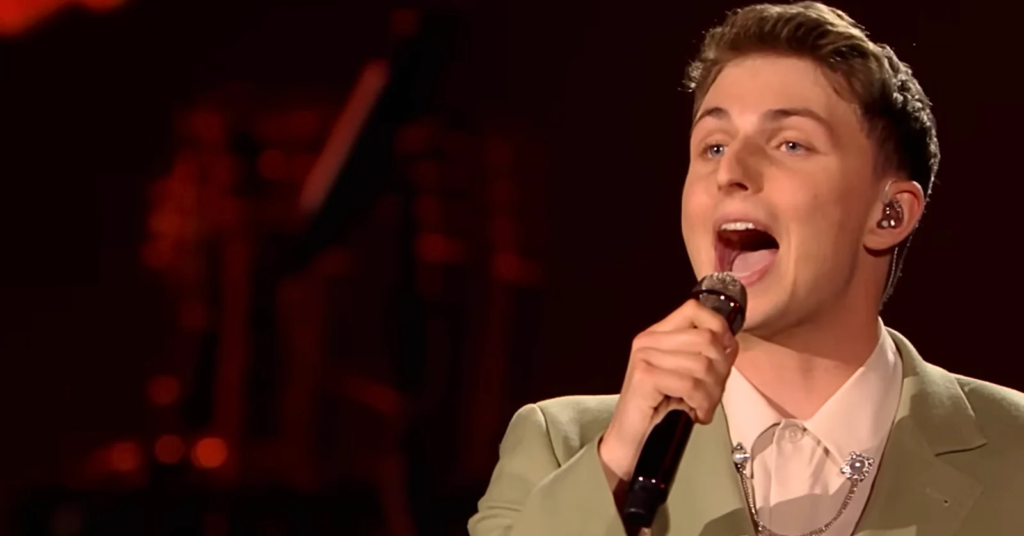
That balance is difficult to master. Too much softness can lose impact. Too much force can erase intimacy. Braden found the narrow space between the two, giving the performance warmth while still allowing it to rise in all the right places. It felt human, heartfelt, and controlled without becoming mechanical.
By the final notes, the room had changed.
You can often sense when a performance lands before anyone speaks. The atmosphere tightens. Faces shift. Even silence carries weight. That seemed to happen here. Judges who began the song curious or cautious ended it visibly impressed. They were not reacting only to vocal ability. They were responding to growth happening in front of them.
That may be the most important part of the night.
Talent competitions are not just about finding who can sing today. They are about identifying who can become something greater tomorrow. Judges are constantly looking for trajectory—the artist whose ceiling feels higher than their current level. Braden Rumfelt gave them that glimpse. He showed progress, composure, and the ability to rise when pressure was highest.
In many ways, this performance was about identity.
Early in a contestant’s journey, audiences often see fragments: a nice voice here, a good note there, potential waiting to be shaped. Then comes the night when those fragments align into something clear. For Braden, Remember Me may have been that night. It suggested not just what he can do, but who he might become as an artist.
There is something inspiring about watching someone stand on the edge of doubt and choose courage anyway. Many people know the feeling of almost stumbling before an important moment. They know what it is to question themselves right before it matters most. That is why performances like this connect beyond television. They mirror everyday battles with confidence and fear.
Braden did not win the night because everything was perfect from the start. He won it because it was not.
He entered with nerves, carried visible pressure, and still found a way to transform all of it into something memorable. That kind of resilience often creates stronger stars than effortless ease ever could. Audiences admire talent, but they root for perseverance.
What happens next remains unwritten. There will be harder songs, bigger expectations, and louder scrutiny. But after this performance, one thing feels certain: Braden Rumfelt is no longer just another contestant hoping to be noticed.
He is now someone people will be watching closely.
And if this was only a glimpse of what his future looks like, then the judges may have been right to see a star beginning to form right before their eyes.