“COUNTRY MUSIC USED TO HIDE MOTHERHOOD — HANNAH HARPER AND LAUREN ALAINA ARE PUTTING IT FRONT ROW”
For years, country music celebrated stories about family, home, sacrifice, and love—yet when it came to female artists becoming mothers, the industry often preferred silence. Pregnancy, parenting, and the realities of motherhood were frequently treated as private matters to manage quietly behind the scenes rather than openly woven into an artist’s public identity. But that culture is beginning to change, and Hannah Harper and Lauren Alaina are quickly becoming part of the shift.
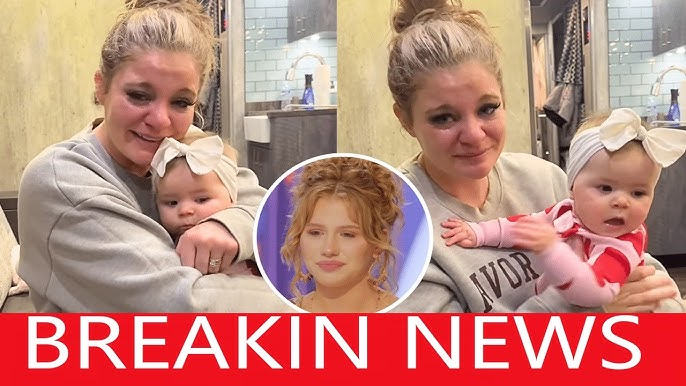
What makes this moment feel different is not simply that motherhood exists in their lives, but that it is no longer being hidden from the audience. Instead of carefully separating their personal realities from their public image, both artists are allowing fans to see the overlap between career ambition and family life in real time.
That visibility matters more than many people realize. For decades, female country artists often faced unspoken pressure to maintain an image of constant availability, polished perfection, and career-first focus. Motherhood sometimes carried the fear of being viewed as a distraction rather than a natural evolution of life.
Now, the conversation appears to be evolving. Fans are no longer demanding flawless distance from artists—they are increasingly drawn toward honesty, vulnerability, and lived experience. In that environment, motherhood becomes less of a branding risk and more of a powerful connection point between artist and audience.
Hannah Harper and Lauren Alaina represent a generation of performers stepping into that reality publicly rather than privately. Tour buses, backstage routines, sleepless nights, and family responsibilities are no longer hidden away from the narrative. They are becoming part of it.
This shift reflects something larger happening inside country music itself. The genre has always prided itself on storytelling rooted in real life, yet female artists were historically expected to compartmentalize certain parts of that reality. The emotional labor of balancing career and motherhood often remained invisible.
What is changing now is not simply visibility—it is the definition of strength. Instead of portraying success as endless energy and polished control, artists are increasingly allowing audiences to witness exhaustion, adjustment, and emotional complexity alongside ambition.
Fans seem deeply responsive to this authenticity. Social media conversations around motherhood and touring no longer focus solely on how artists “manage it all,” but on the courage it takes to keep showing up while navigating unpredictable personal realities.
For many women watching, this representation feels deeply personal. It signals that motherhood does not require stepping away from identity, creativity, or professional dreams. Instead, it becomes part of the story itself rather than an interruption to it.
There is also a noticeable shift happening in branding across entertainment more broadly. Audiences today are less interested in untouchable perfection and far more invested in emotional relatability. Female country artists are increasingly leaning into that honesty rather than resisting it.
Lauren Alaina and Hannah Harper appear to understand that instinctively. Their openness about balancing career demands with family life does not weaken their image—it strengthens it. It creates emotional depth that polished branding alone can never manufacture.
At the same time, this evolution carries pressure of its own. Publicly embracing motherhood while maintaining a demanding career means constantly existing under scrutiny. Every decision becomes visible, every balance questioned, every moment interpreted by fans and media alike.
Yet despite that pressure, there is something undeniably powerful about watching female artists stop apologizing for living full, complicated lives in public view. Country music is no longer only celebrating women for heartbreak songs or stage presence—it is beginning to embrace the realities that shape them offstage as well.
And perhaps that is why this cultural shift feels so significant. Hannah Harper and Lauren Alaina are not simply redefining image strategy or artist branding. They are quietly challenging an old industry instinct that once treated motherhood as something to minimize instead of something worthy of visibility.
Now, as fans continue embracing this new era of openness, one question continues to echo through country music itself: if motherhood is finally moving to the front row, how many future female artists will no longer feel pressured to hide it at all?