Country music is once again standing at a crossroads it has visited many times before, where legacy and evolution collide under the same spotlight, and the ACM Duo of the Year category has become the center of a debate that refuses to settle.
At the heart of it are Kix Brooks and Ronnie Dunn—Brooks & Dunn—two names that have already been etched deep into country music history. At 71 and 72, respectively, they are not just veterans of the genre; they are architects of its modern identity.
Eighteen ACM wins later, their dominance is not a flash of nostalgia—it is a sustained presence that has stretched across decades, generations, and shifting musical eras. Their influence is so deeply embedded that for many fans, their Hall of Fame status feels less like recognition and more like confirmation of something long understood.

Hits that defined the 90s and early 2000s still echo through playlists, radio stations, and live venues today. Songs that once told stories of heartbreak, highways, and small-town resilience continue to shape what country music sounds like even in its newest forms.
Yet beneath the celebration of legacy, a quieter tension has been building within the fanbase. Every award season brings the same outcome, and with it, the same question: is this still competition, or has it become tradition?
Newer duos like Brothers Osborne, Dan and Shay, Muscadine Bloodline, and Thelma and James are not lacking in success. They are charting, touring, and building loyal audiences who see them as the future of country storytelling.
Their music reflects a different era—one shaped by crossover influences, modern production, and evolving definitions of what country music can sound like in a globalized industry.
Still, despite critical acclaim and strong fan support, the ACM Duo of the Year trophy continues to return to the same hands. And with each repetition, the conversation grows louder rather than quieter.
Some fans argue that greatness should not be retired. If Brooks & Dunn continue to deliver performances and maintain artistic relevance, then age or legacy should not disqualify them from recognition.
Others see it differently. To them, awards are meant to highlight the present and future of the genre, not continuously revisit its past, no matter how iconic that past may be.
This tension has created a divide that runs straight through the country music community—between honoring foundational legends and making visible space for emerging voices trying to define the next chapter.
What makes the debate more complex is that both sides carry valid weight. Brooks & Dunn are not winning out of sentiment alone; their impact and continued excellence remain undeniable even decades into their career.
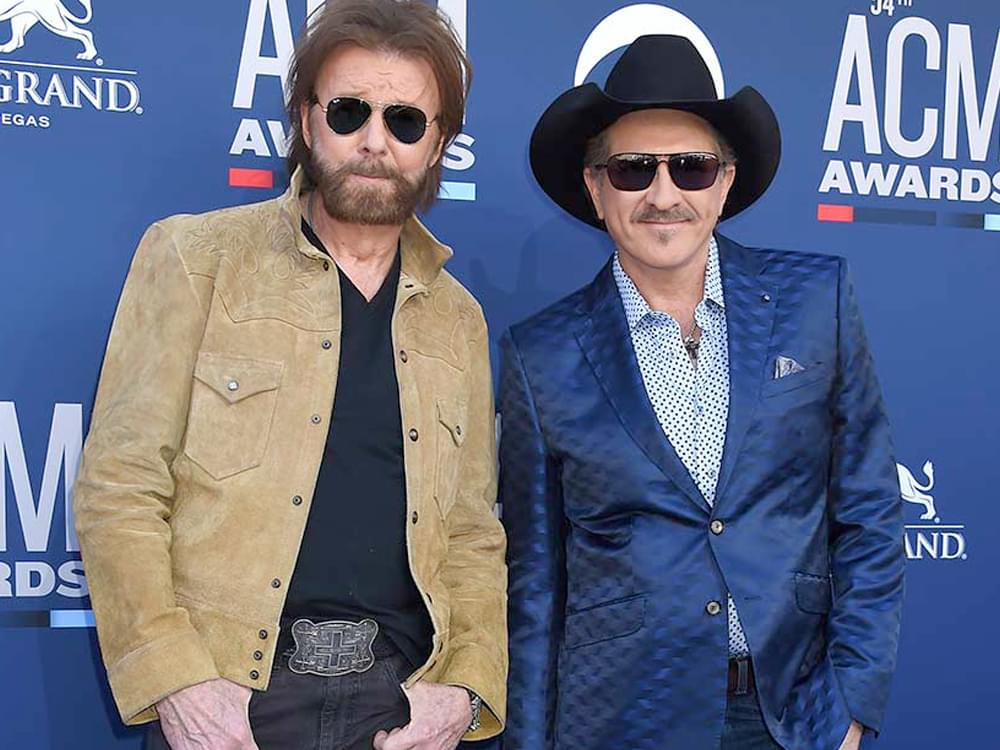
But at the same time, every loss for newer duos fuels a growing frustration that the category may be locked in an unchanging narrative, regardless of how much the genre itself continues to evolve.
And so the question lingers without resolution, echoing louder each awards season: is this simply the standard of excellence remaining untouchable, or is country music struggling to pass the torch to its next generation?