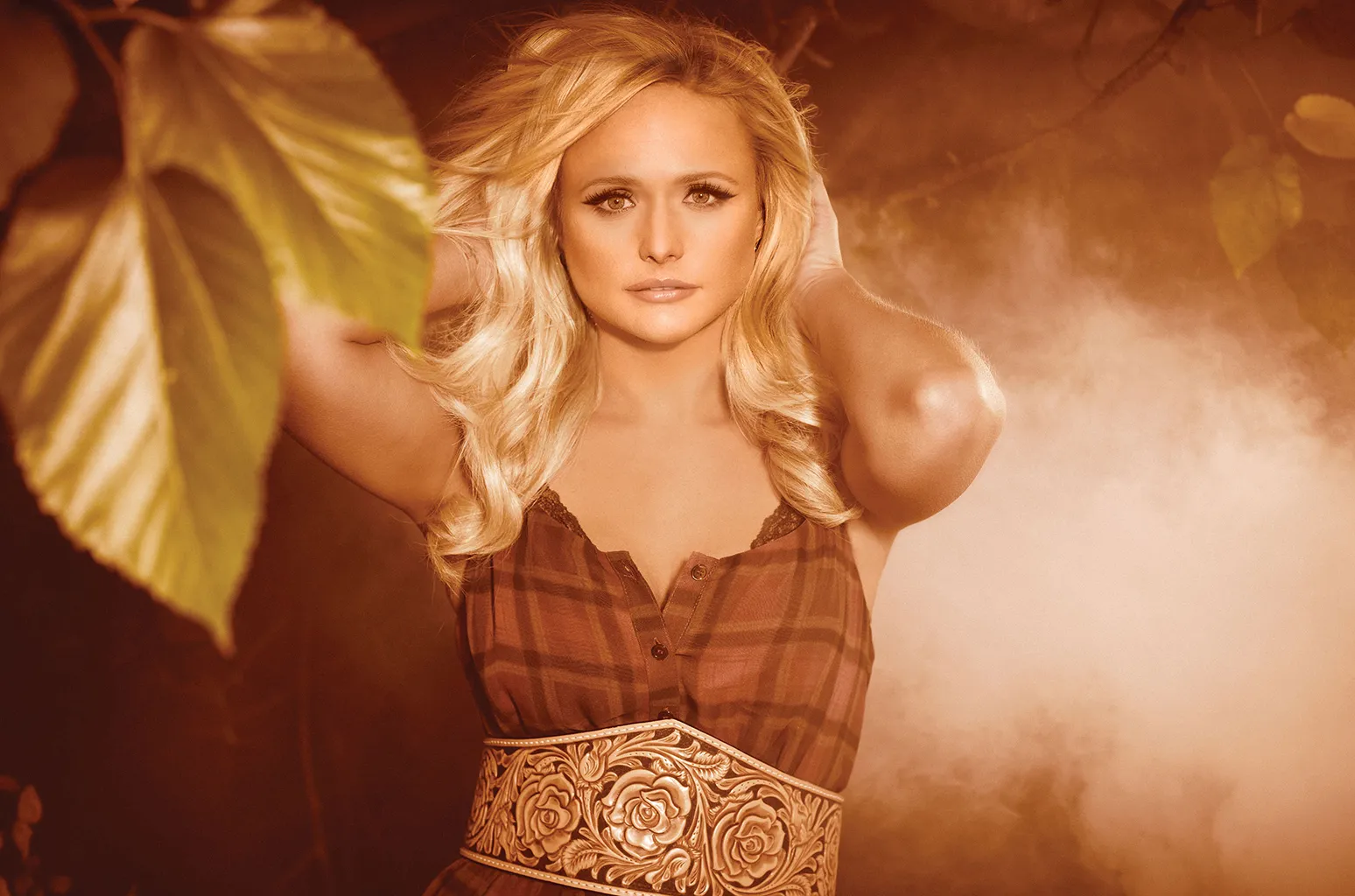
The 2026 ACM Awards delivered a night of loud celebration, but the most powerful moment didn’t come from the stage lights or the roaring crowd. It came from a quieter kind of victory — one that belonged to Miranda Lambert, who stood not as the loudest presence in the room, but as one of its most enduring forces. While Ella Langley dominated headlines with five major wins, another story was unfolding in the background, one that reminded everyone what true longevity in country music looks like.
Miranda Lambert’s name was called twice during the night for “Choosin’ Texas,” a track that carried both creative depth and emotional weight. She earned Single of the Year as a producer and Song of the Year as a co-writer alongside Ella Langley, Luke Dick, and Joybeth Taylor. On paper, these were additional trophies. In reality, they marked something far greater — a milestone that placed her at 40 total ACM Awards, the highest in the 60-year history of the Academy of Country Music.

That number alone reshaped the conversation in the room. Forty ACM Awards is not just dominance; it is a timeline of consistency, evolution, and influence across generations of country music. It surpasses legends like George Strait and the iconic duo Brooks & Dunn, placing Lambert in a category entirely of her own making. Yet what stood out most was not the record itself, but the way she carried it.
When she stepped to the microphone, there was no theatrical pause or attempt to center the moment around herself. Instead, Miranda Lambert spoke with a quiet sincerity that cut through the noise of celebration. She mentioned that this was her 20th ACM recognition of the year — a staggering detail that barely fit into a single sentence — and then immediately shifted the focus away from achievement and back to trust, collaboration, and gratitude.
Her words about Ella Langley revealed a deeper layer of the story. In an industry often defined by competition and spotlight struggles, Miranda chose to highlight trust — specifically, the trust Ella placed in her artistry. She didn’t frame herself as the driving force behind the song’s success. Instead, she positioned herself as someone given the responsibility to support and shape someone else’s vision.
That distinction mattered.
It reframed success not as ownership, but as stewardship.
Behind every award, there was a creative partnership that didn’t rely on hierarchy. Miranda co-wrote “Choosin’ Texas,” co-produced it, and then stepped back enough to allow Ella Langley’s voice and identity to lead the final product. It was a collaborative balance that reflected a maturity not always visible in award ceremonies dominated by individual recognition.
As the night unfolded, fans and industry insiders began to reflect on what 40 ACM Awards actually represent. It is not just volume. It is endurance through changing musical eras, shifting industry trends, and evolving audience expectations. It is the rare ability to remain relevant without chasing relevance — to grow without abandoning identity.
What makes Lambert’s achievement even more striking is how consistently she has remained connected to storytelling. While trends in country music have shifted toward crossover appeal and commercial experimentation, she has continued to prioritize narrative-driven songwriting. “Choosin’ Texas” fits into that legacy — a song rooted in emotional texture rather than surface-level appeal.
The collaboration with Ella Langley also highlighted something significant about generational transition in country music. Instead of resisting change or stepping aside entirely, Lambert chose to engage with emerging voices. She did not position herself above them or behind them, but beside them — creating space while still contributing her experience.
That approach gave the night a symbolic weight. While Ella Langley represented the rising force of a new era, Miranda Lambert represented the foundation that allows such eras to exist. One was stepping into the spotlight of the present. The other was quietly reinforcing the structure of the genre itself.
As applause echoed through the arena, there was a subtle but undeniable shift in how people viewed success on that stage. It was no longer just about who won the most awards in a single night, but about who helped shape the music that made those wins possible in the first place.
Even in a room full of superstars, Lambert’s presence felt different — not louder, but deeper. She didn’t need to remind anyone of her status. The numbers already did that. Instead, she used her moment to highlight collaboration, trust, and creative generosity.
By the time the ceremony moved on, her achievement lingered in the background like a quiet echo. Forty ACM Awards is not just a record. It is a legacy built on consistency, humility, and a willingness to elevate others while continuing to build something lasting.
And perhaps that is why this moment resonated beyond the awards themselves. Because while trophies can measure success, they cannot fully capture influence — and Miranda Lambert’s influence was written not only in her own victories, but in the artists she continues to lift along the way.