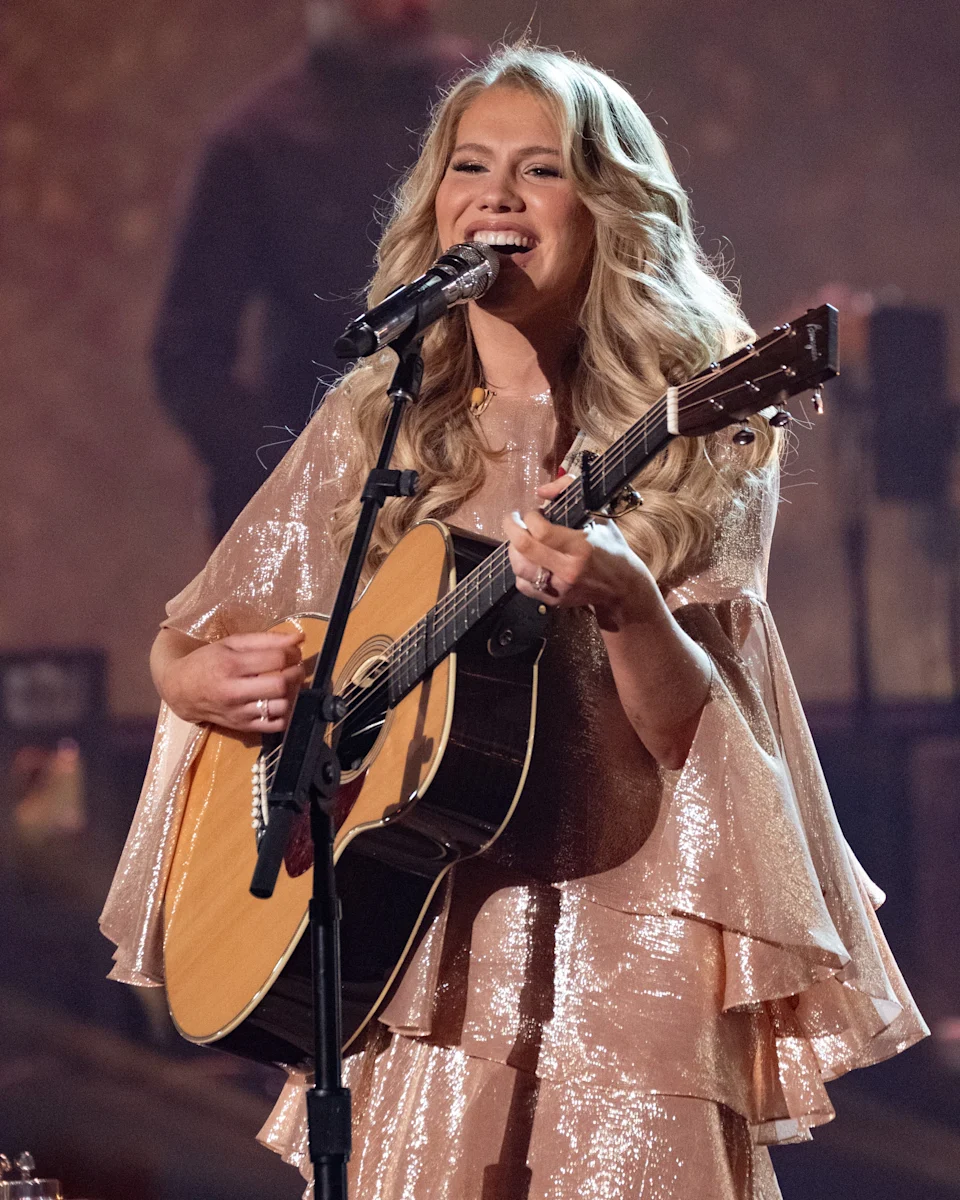
In today’s entertainment world, most stars arrive polished before audiences ever meet them.
Every interview feels rehearsed.
Every reaction feels calculated.
Every emotional moment somehow arrives camera-ready.
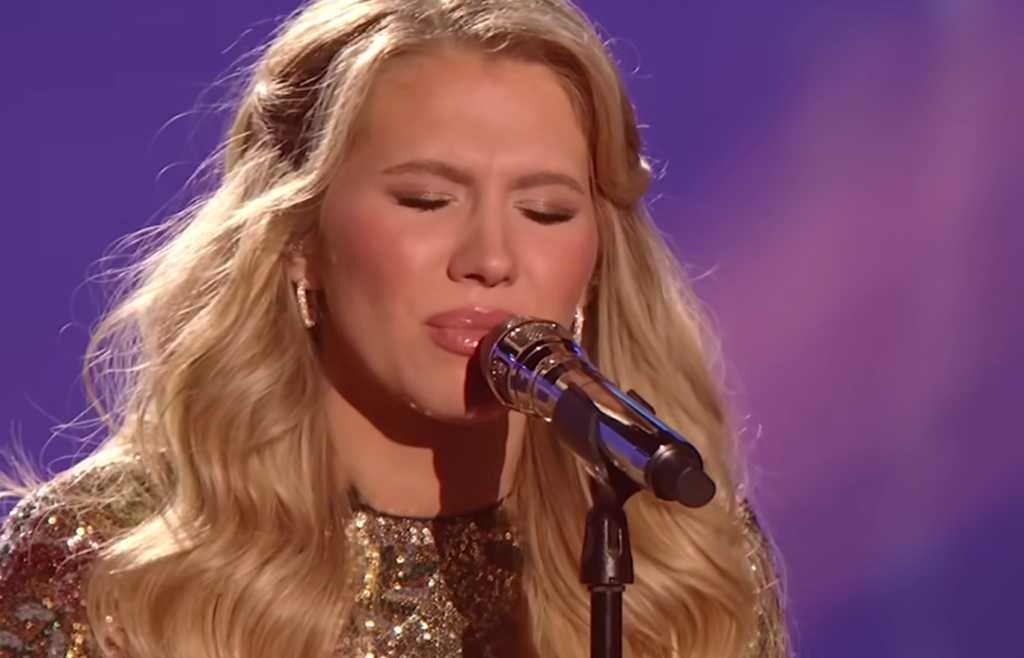
But Hannah Harper feels strangely different.
And that difference may become the most powerful thing about her entire career.
Because even after winning American Idol, Hannah still doesn’t fully carry herself like a celebrity. She looks emotionally exposed in ways modern stars usually spend years trying to hide.
That vulnerability is exactly why audiences cannot stop watching her.
During the finale, Hannah didn’t stand on stage looking untouchable or perfectly composed. She looked overwhelmed. Nervous. Emotional. At times, almost shocked by the reality unfolding around her.
And viewers trusted that immediately.
That emotional transparency created a connection far deeper than ordinary television fandom. Fans weren’t just admiring a talented singer anymore. They were emotionally reading her in real time.
Every trembling expression.
Every tearful glance toward her family.
Every moment where she looked like she was trying to hold herself together beneath the pressure of the moment.
None of it felt manufactured.
And in an era where audiences have become deeply exhausted by overly polished celebrity culture, Hannah Harper’s emotional realism suddenly feels incredibly rare.
That’s what makes her dangerous.
Not dangerous in the traditional music industry sense.
Dangerous because emotionally authentic artists create unusually loyal audiences.
People don’t simply watch them.
They protect them.
That emotional shift is already happening around Hannah online. Fans constantly describe her as “real,” “grounded,” and “emotionally honest” — words modern celebrities rarely receive anymore because so much of entertainment now feels carefully controlled and media-trained.
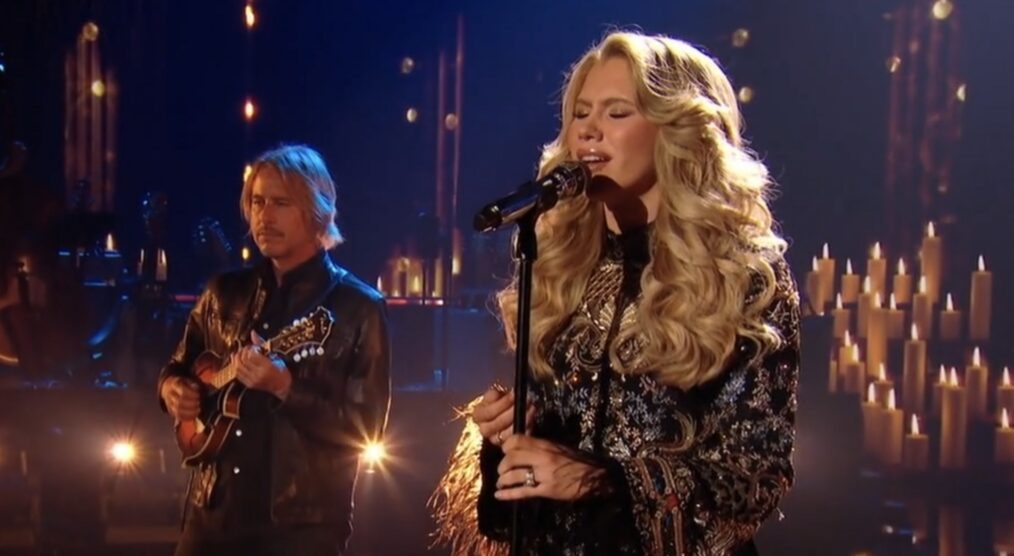
But Hannah still feels connected to ordinary life.
She still carries the emotional energy of a Missouri mom whose world changed faster than her identity could fully process it.
And people are emotionally attached to that tension.
Because country music has always worked best when audiences believe the artist actually lived the story they’re singing. That’s why legends of the genre connected so deeply across generations. Fans didn’t just admire them.
They trusted them.
Hannah Harper is beginning to trigger that same emotional instinct.
Ironically, many of the things that make her appear imperfect by celebrity standards may become her greatest commercial advantage long-term. The visible nerves. The emotional openness. The lack of polish. The moments where she looks more human than performative.
Those things make audiences feel safe emotionally investing in her.
And that may explain why her finale felt bigger than a temporary viral moment. People weren’t just reacting to talent.
They were reacting to sincerity.
The music industry creates stars every year.
But every once in a while, somebody arrives who still feels emotionally reachable after the spotlight hits them.
That’s the part audiences never forget.
And it may become the exact reason Hannah Harper’s story is only beginning.