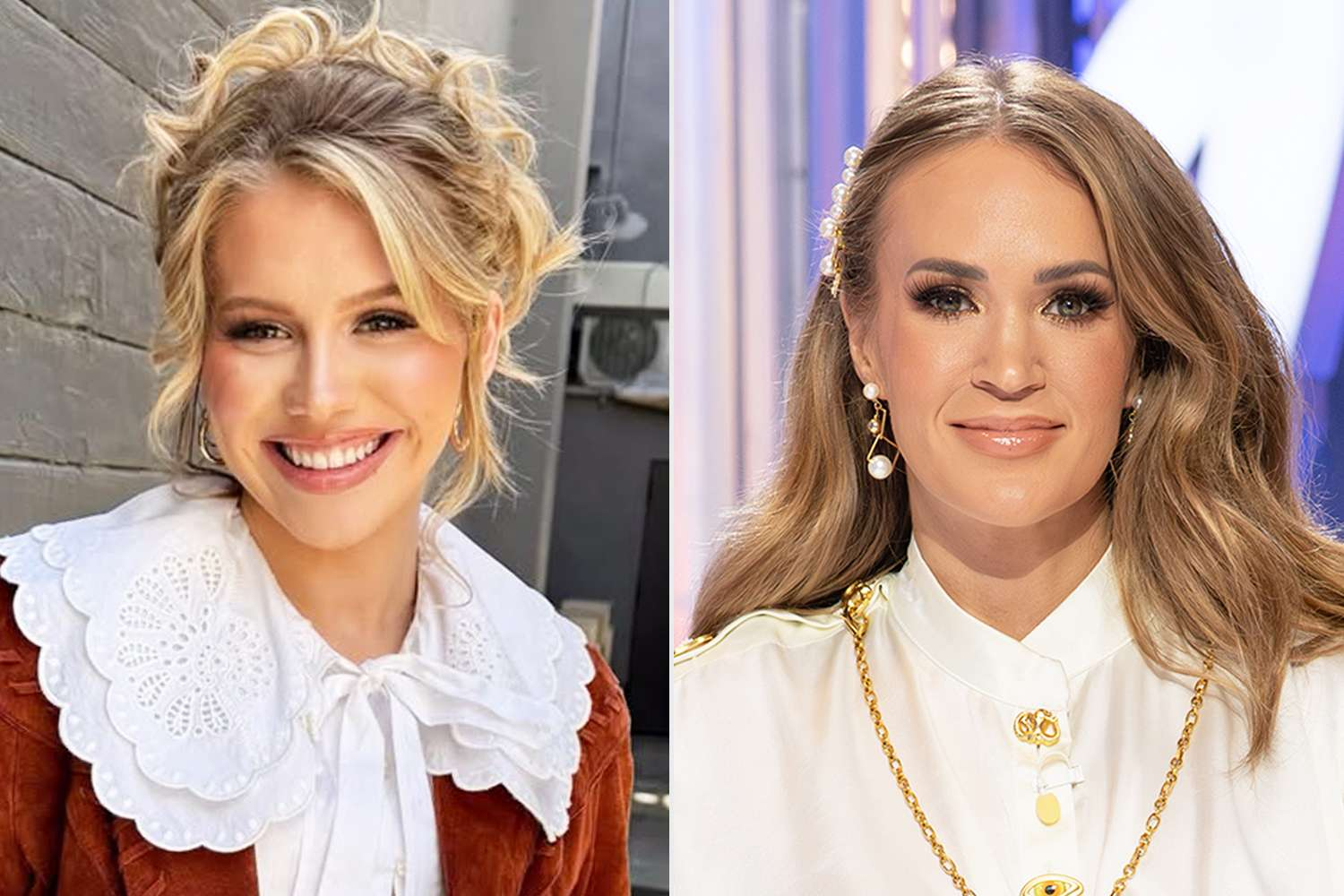
A 21-year silence in American Idol history finally broke in a moment that felt less like a competition result and more like a cultural milestone. Hannah Harper, 25, was officially crowned the Season 24 champion, becoming the first female country artist to win the title since Carrie Underwood’s iconic victory in 2005. For longtime fans of the show, the moment carried an emotional weight that stretched far beyond a simple finale announcement.
As Hannah stood on stage, overwhelmed by tears and disbelief, the atmosphere inside the venue shifted into something almost sacred. The audience erupted in celebration, but the most emotional reaction came from someone who knows this journey better than anyone else—Carrie Underwood herself. Watching from the panel, Carrie was visibly moved, wiping away tears as she witnessed a new chapter of country music being written in real time.
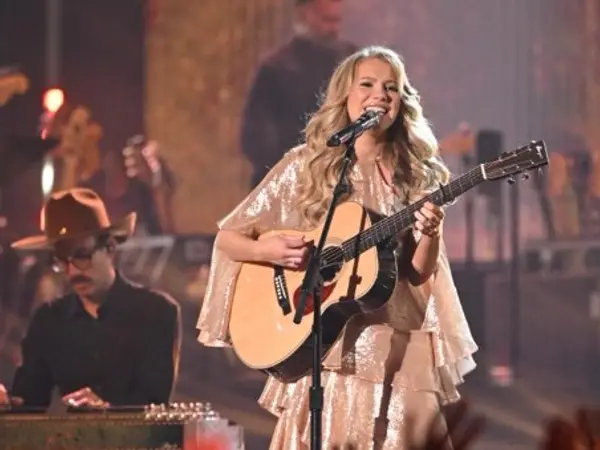
What made the moment even more powerful was the unspoken symbolism behind it. Carrie Underwood’s win in 2005 didn’t just launch a career—it defined a generation of country-pop storytelling. Now, two decades later, another woman stepping into that same spotlight created a sense of history repeating itself, but in a deeply evolved form. Fans immediately began calling it a “passing of the torch” moment for the genre.
Hannah’s journey throughout Season 24 had already positioned her as a standout voice, but her finale performance cemented her place in Idol history. Her ability to blend emotional storytelling with raw vocal power resonated deeply with audiences week after week. By the time the winner was announced, many viewers already felt she had become the emotional heartbeat of the season.
Carrie’s reaction only amplified that sentiment. Throughout the season, she had consistently offered encouragement to Hannah, often highlighting her authenticity and connection to the music. But during the finale, those words took on a deeper meaning as fans watched Carrie emotionally acknowledge the moment that connected her past with the show’s future.
Social media quickly erupted after the finale, with fans across the country reflecting on what the win represented. Many noted the rarity of seeing two defining female country artists linked by the same competition, but separated by more than two decades of evolution in the music industry. For some, it symbolized continuity. For others, it marked transformation.
Industry observers also pointed out the significance of Hannah becoming the first female country winner since Carrie Underwood. In a genre that has seen constant evolution, this victory reignited conversations about representation, storytelling, and the emotional core that country music continues to carry across generations.
Beyond the statistics and history, however, what resonated most was the emotional connection between the two artists. Carrie Underwood’s presence in the moment was not just symbolic—it felt personal. She had once stood where Hannah stood, facing the same uncertainty, the same dreams, and the same overwhelming rush of possibility.
Hannah, on the other hand, brought her own identity to the stage. As a mother of three and a performer shaped by real-life experience, her journey felt grounded in authenticity. Her victory wasn’t framed as imitation of what came before, but as a continuation of a legacy built on honesty and emotional storytelling.
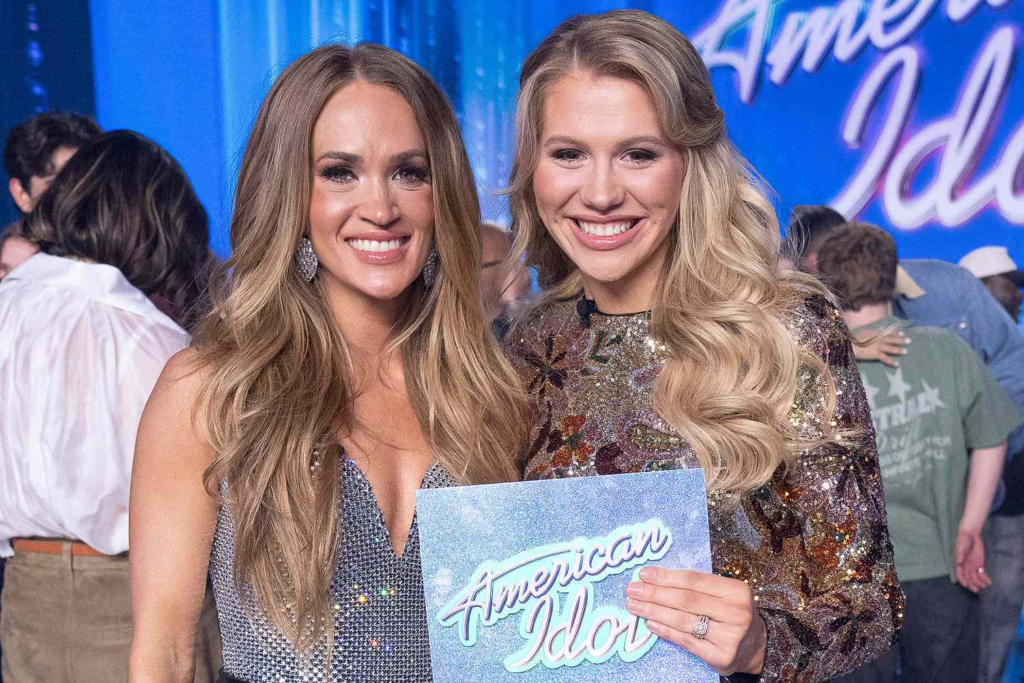
Fans have since described the finale as one of the most meaningful in recent Idol history, not because of competition alone, but because of what it represented emotionally. It bridged two eras of country music in a way that felt natural rather than manufactured, creating a rare moment where past and present seemed to stand side by side.
As celebrations continue, one question continues to echo across fan discussions and entertainment circles alike: is Hannah Harper simply following in Carrie Underwood’s footsteps, or is she beginning to define an entirely new chapter of country music history that will stand on its own for years to come?