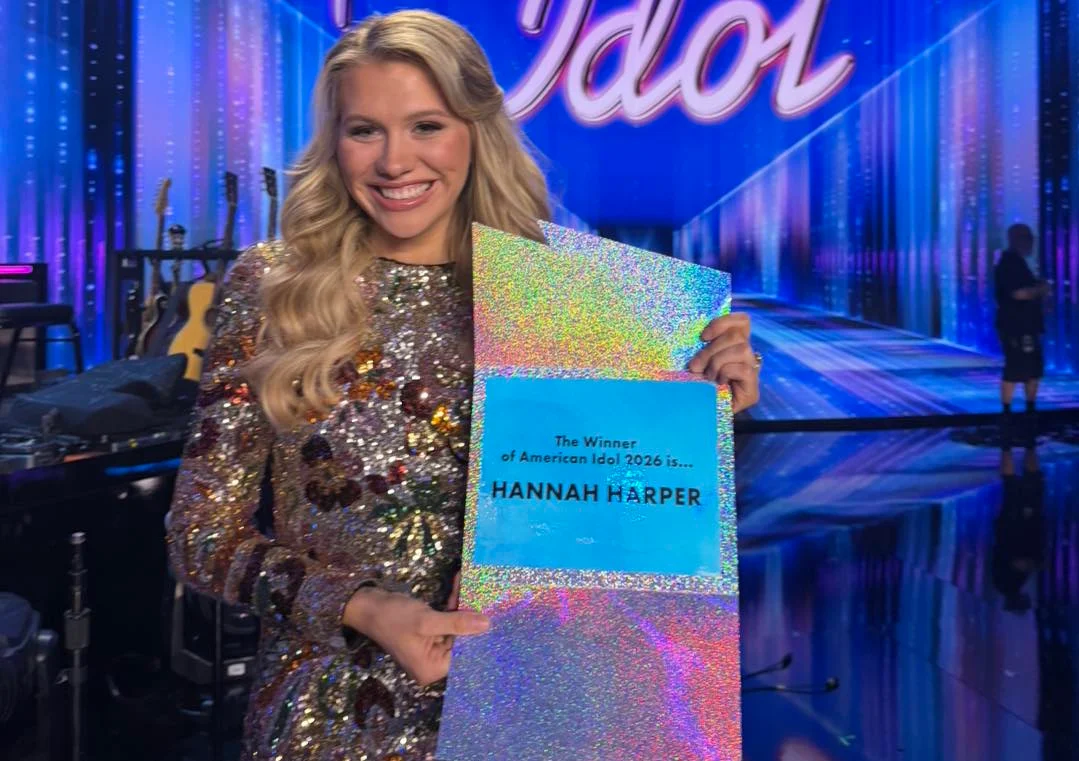
Nobody saw it coming except the people who had been quietly rooting for Hannah Harper since the very beginning. Just months ago, she was simply a young mother in Missouri, recording short TikTok clips between school runs, house chores, and late-night routines that no audience beyond a few hundred people ever saw. There was no spotlight then, only a phone camera, a fragile dream, and a voice that carried more emotion than attention.
What changed everything wasn’t luck—it was consistency. Her early clips began to circulate beyond her small circle, not because they were polished, but because they felt honest. People stopped scrolling because her voice didn’t sound manufactured. It sounded lived in. When she finally auditioned for American Idol, even she didn’t expect the doors to open so wide. But they did, and that moment quietly marked the beginning of something bigger.
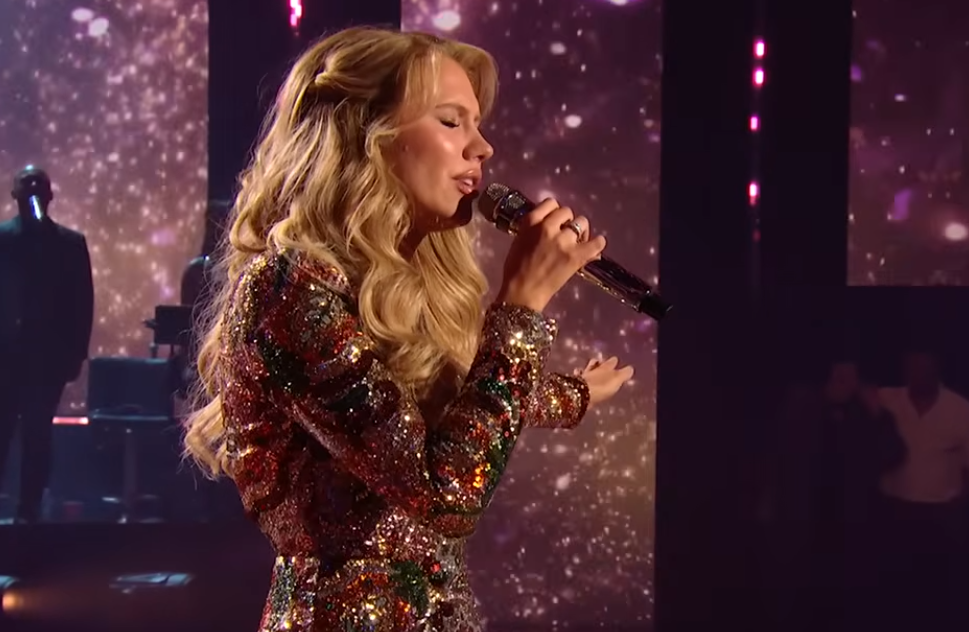
The audition room became her first test under pressure. Standing in front of the judges, she didn’t rely on theatrics or overconfidence. Instead, she leaned into simplicity, and that simplicity struck a nerve. The room went quiet in a way contestants dream about but rarely experience. That silence said more than applause ever could.
As the competition progressed, Hannah Harper’s presence began to shift from “unexpected contestant” to “weekly favorite.” Each performance revealed another layer of her voice—sometimes soft and fragile, sometimes powerful enough to shake the stage. Fans weren’t just watching her sing; they were watching her grow in real time.
The audience connection became undeniable. Week after week, her performances trended online, not because of gimmicks, but because people felt something genuine. She didn’t try to imitate stars; she built her own emotional space on stage. That authenticity slowly turned casual viewers into loyal supporters who refused to let her elimination become an option.
One of the most defining parts of her journey was how she handled pressure. As the competition narrowed, expectations grew heavier, but she never appeared to fracture under it. Even during high-stakes rounds, her delivery remained grounded, as if she was singing not for votes, but for everyone who had ever felt unseen.
Sharing the stage with established artists like Kellie Pickler and Lee Ann Womack became more than just a milestone—it became validation. It wasn’t about comparison; it was about belonging. Standing beside seasoned voices in country music only highlighted that her place in the genre wasn’t accidental.
Behind the scenes, the transformation was just as intense. From rehearsals stretching late into the night to vocal coaching sessions that pushed her limits, Hannah was constantly adjusting, learning, and refining. Yet she never lost the quality that brought her there in the first place: emotional truth in every lyric she sang.
By the time the finale arrived, the narrative had already shifted. It was no longer about an underdog surprise—it was about inevitability shaped by growth. The audience wasn’t waiting to see if she could win; they were waiting to see how she would win. And when she finally heard her name called, it felt less like shock and more like completion.
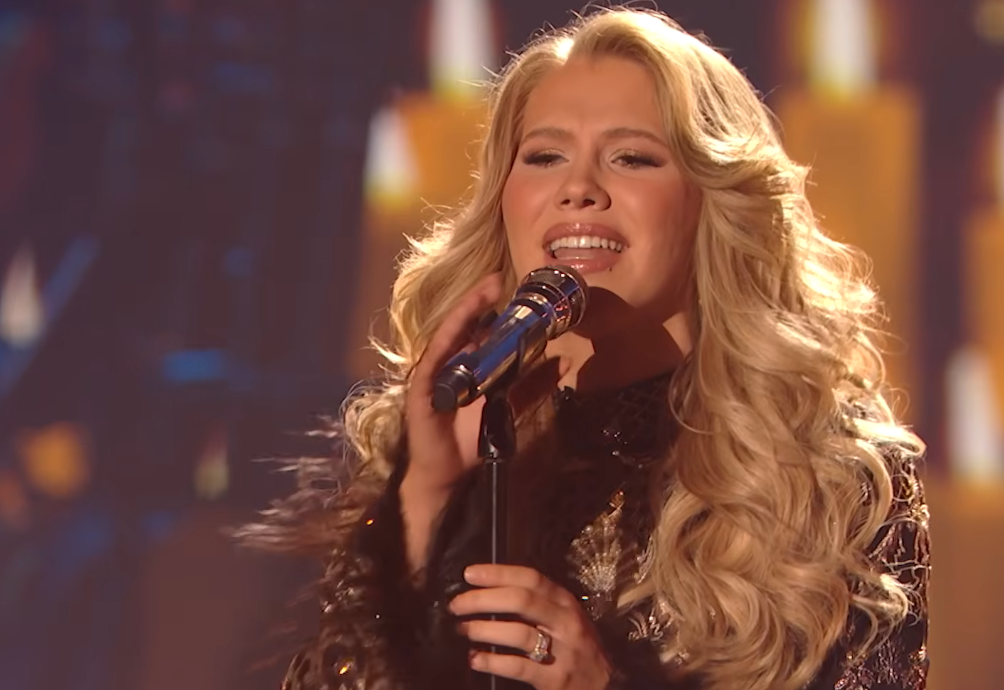
What makes her victory stand out isn’t just the title of American Idol winner—it’s the journey behind it. From a small-town routine to national recognition, Hannah Harper turned ordinary moments into a foundation for something extraordinary. She didn’t arrive as a finished star; she became one in front of everyone.
Now, as her name begins to echo beyond the show, the real question isn’t how far she came, but how far she can still go. Because sometimes, the end of a competition is just the beginning of a much larger story still unfolding.