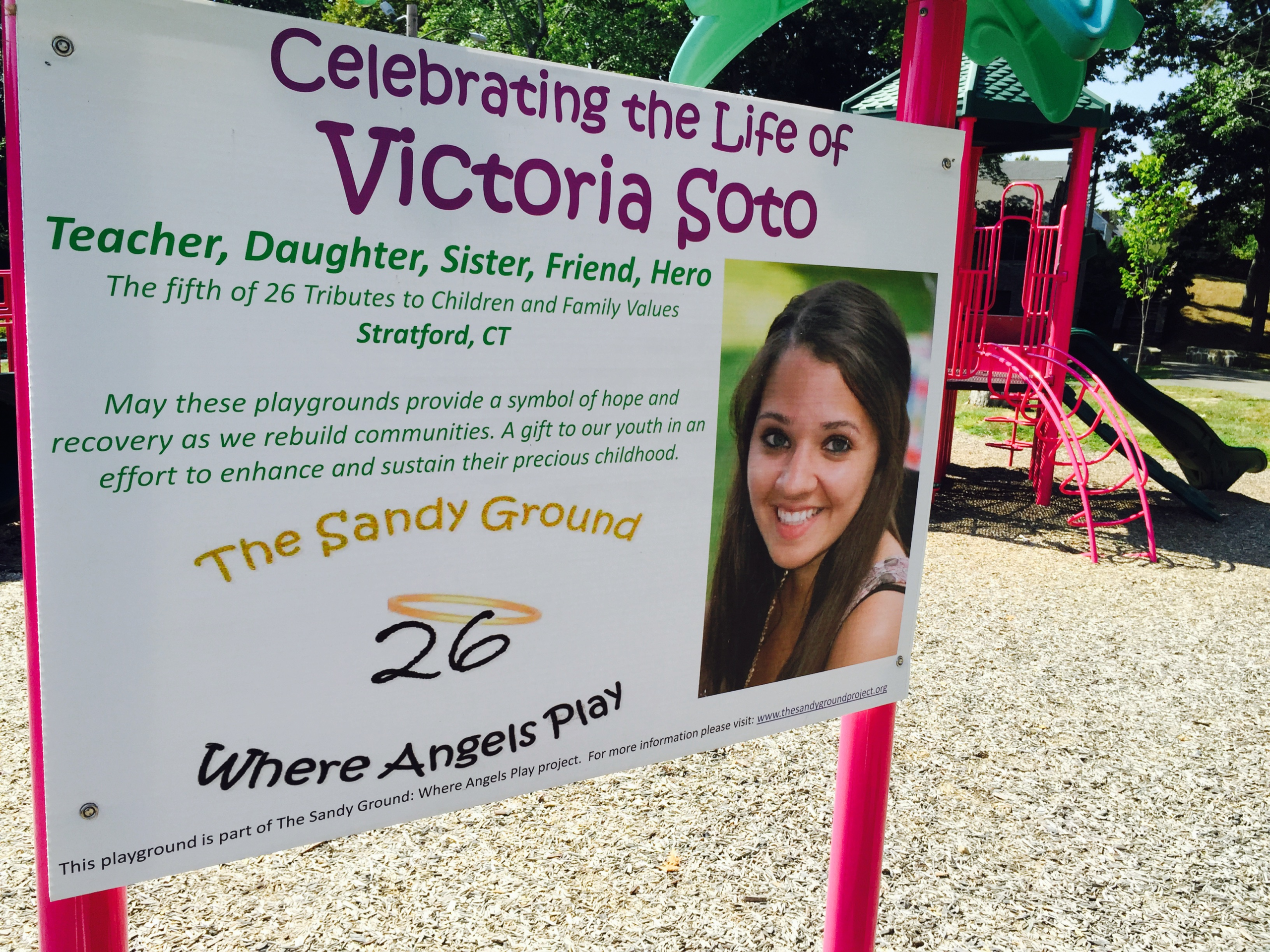
Victoria Soto walked into Sandy Hook Elementary School on December 14, 2012, expecting an ordinary school day. Like every teacher across America, she carried lesson plans, responsibilities, and the quiet hope of helping children grow into better versions of themselves. Nobody inside that building could have imagined how quickly everything was about to change.
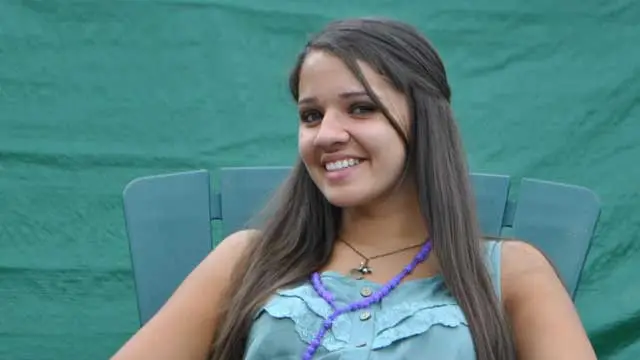
Within moments, fear consumed the hallways.
Confusion spread instantly. There was panic. Noise. Uncertainty. The kind of moment where time suddenly feels impossible to understand. But while chaos erupted around her, Victoria Soto did something extraordinary. She focused entirely on her students.
Instinct took over before fear ever could.
Reports from that day describe Victoria quickly moving children into hiding places inside the classroom. Closets. Corners. Anywhere that could protect them from danger. She knew every second mattered. She knew every decision mattered even more.
Then came the moment that would define her forever.
Victoria did not abandon the children under her care. She did not think about escaping first. Instead, she stayed between her students and the threat approaching them. It was not a dramatic movie scene. It was real life. A young teacher standing in the most terrifying situation imaginable, making a choice that would save lives.
And because of that choice, children survived.
That is the part of this story people never forget. Those students were able to leave that classroom alive because someone decided their lives mattered more than her own safety. Victoria Soto became the barrier between innocence and horror. In one unimaginable moment, she transformed from educator to protector.
Some heroes never get the chance to prepare for heroism.
There was no time for planning that day. No perfect words. No grand speech. Only instinct, courage, and love powerful enough to overcome fear. What Victoria did came from the deepest part of who she was as a person. The people who knew her described her as kind, caring, patient, and deeply devoted to her students. In the end, those qualities became actions.
And those actions changed families forever.
For many parents, teachers are trusted to educate children. Victoria Soto showed the world that some teachers also carry a different kind of responsibility — the willingness to protect students at any cost. That truth is what continues to move people more than a decade later.
Her story still leaves people speechless because it forces everyone to ask a difficult question: what creates that kind of courage?
The answer may never fully be explained. Maybe courage is not the absence of fear at all. Maybe courage is choosing others despite fear. Victoria did not become brave because the situation was easy. She became brave because she acted when acting felt impossible.
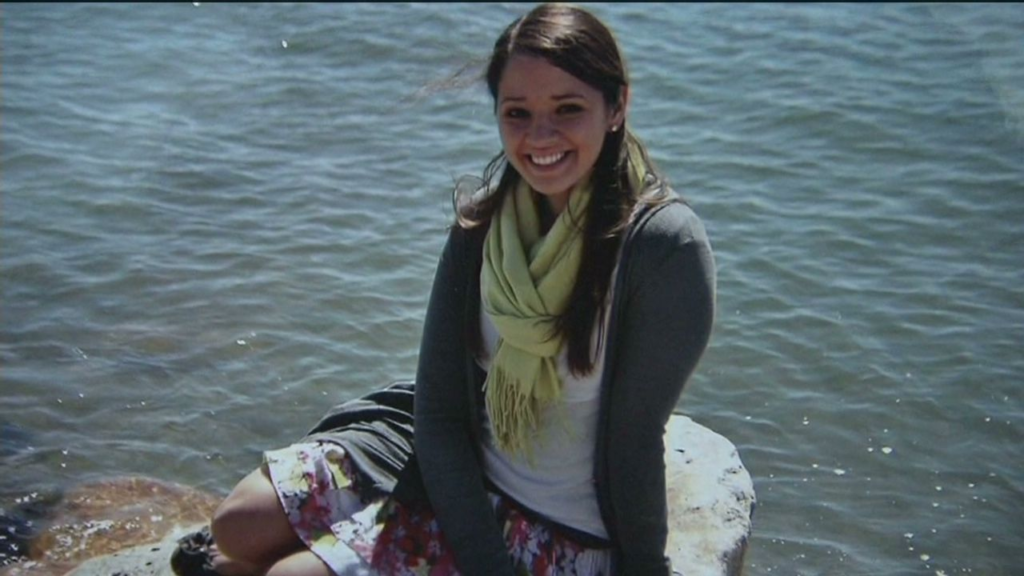
That is why her legacy continues to endure.
Over the years, countless people have spoken her name, shared her story, and honored the sacrifice she made inside Sandy Hook Elementary School. But beyond headlines and memorials, there remains something deeply human at the center of it all — a teacher who simply refused to leave her students behind.
And perhaps that is what makes this story unforgettable.
Victoria Soto’s final act was not about recognition or becoming a symbol. It was about protecting children in the worst moment imaginable. It was about love stronger than fear. Duty stronger than panic. Humanity stronger than violence.
Some people spend their entire lives wondering if they would have the courage to stand for others when it mattered most.
Victoria Soto answered that question in a single moment.
And because she did, children who once hid silently inside a classroom were given the chance to grow up, build lives, and carry memories into the future. That future exists because one teacher chose to stay.
Some people teach lessons from books.
Others teach the world what courage truly looks like.
Story based on historical records. Written for educational and remembrance purposes.